
 EN
EN
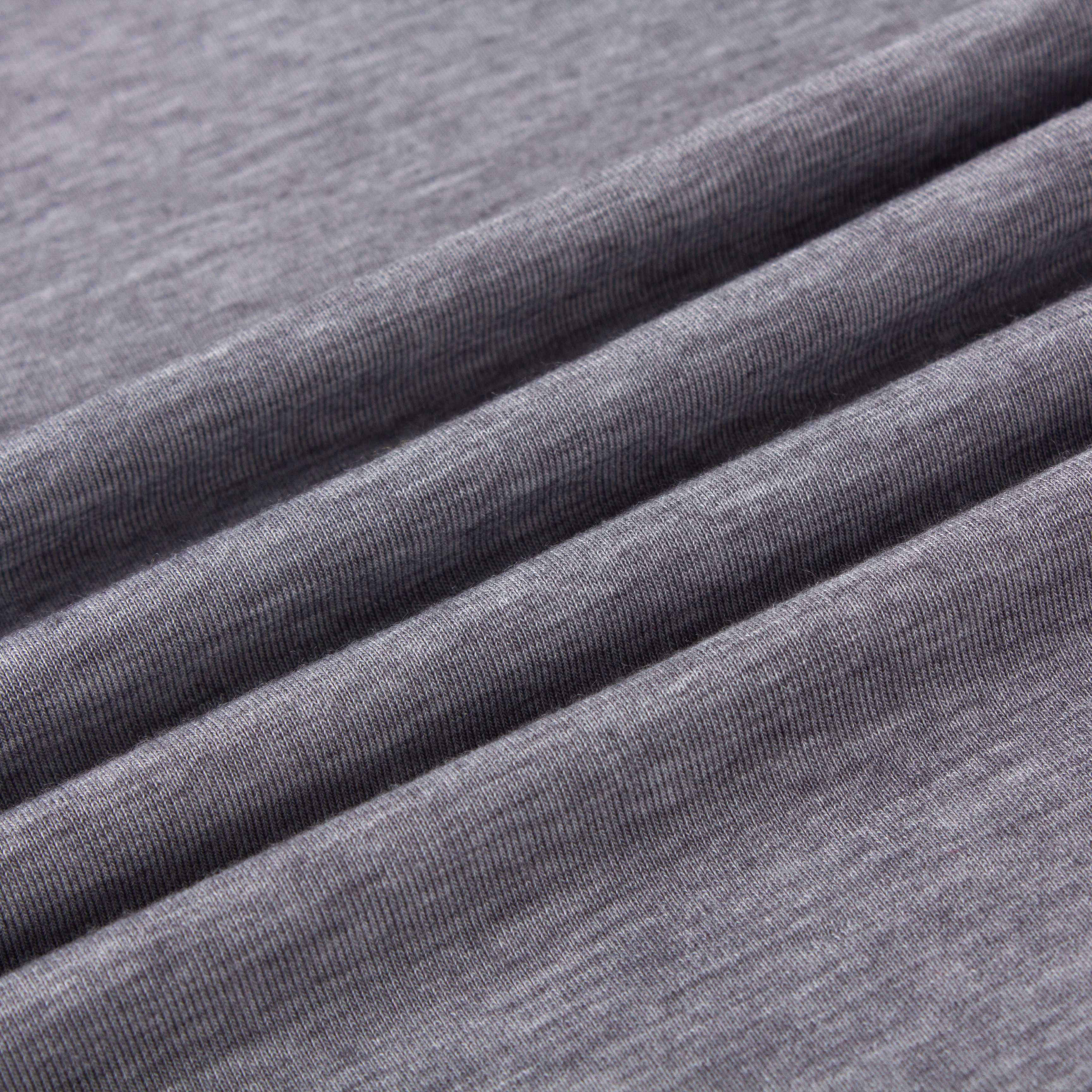
Understanding the Relationship Between Spandex Content and Fabric Elasticity
For apparel manufacturers, controlling fabric elasticity is a key part of developing comfortable and functional clothing. Different garments require different levels of stretch, recovery, and support. A yoga outfit, casual sportswear, underwear product, or fitted fashion garment may all use elastic fabrics, but their performance requirements are not exactly the same.
Polyester spandex fabric has become a popular choice in many apparel applications because it combines the stable characteristics of polyester with the flexibility of spandex. Polyester provides durability, dimensional stability, and easy-care performance, while spandex improves stretch ability and body movement comfort.
From our experience in textile development, adjusting spandex proportion is one of the methods used to influence fabric elasticity, but it is not the only factor. Fabric structure, yarn quality, knitting method, finishing process, and garment design also have a significant impact on final performance.
For example, a yoga wear manufacturer may need a polyester spandex fabric with smooth stretch recovery and comfortable body movement, while a casual clothing producer may focus more on shape retention and everyday comfort. Understanding the final application is essential before selecting fabric composition.
Eastotec specializes in functional textile fabric development and provides professional stretch fabric solutions for apparel manufacturers. The company focuses on balancing elasticity, comfort, durability, and production stability according to customer requirements.
How Spandex Ratio Changes Stretch Performance
Spandex is an elastic fiber that can stretch and return closer to its original shape. When combined with polyester, it helps improve fabric flexibility and fitting performance. Adjusting the spandex ratio can influence how the fabric feels, moves, and performs during garment use.
When the spandex proportion is relatively moderate, polyester characteristics remain more noticeable. The fabric can maintain good structure, durability, and dimensional stability while providing comfortable flexibility. This type of balance is often suitable for daily clothing, lightweight activewear, and comfortable homewear.
When a higher level of elasticity is required, increasing spandex content may provide improved stretch performance and closer body fitting. This can be useful for garments that require greater movement freedom, such as training clothes, dancewear, and fitted sports products.
However, more elasticity does not always mean better fabric performance. Excessive stretch may influence fabric hand feel, production handling, or the final appearance of garments. Professional fabric development requires finding the right balance between flexibility and stability.
According to textile engineering principles, fabric elasticity depends on the interaction between fiber composition and fabric construction. A polyester spandex fabric with the same fiber ratio may still show different performance because of differences in knitting structure and finishing technology.
Eastotec evaluates these technical factors during fabric development to help customers select materials that match their specific garment applications.
Professional Factors Affecting Polyester Spandex Fabric Performance
When adjusting polyester spandex fabric elasticity, manufacturers should consider several technical aspects beyond spandex proportion.
The first factor is garment application. Different products require different stretch directions and recovery abilities. For example, yoga leggings need flexible movement support, while casual trousers may require moderate elasticity with better shape stability.
The second factor is long-term durability. Elastic fabrics need to maintain their performance after repeated wearing and washing. A fabric should not only feel comfortable when new but also continue providing reliable performance during daily use.
Fabric weight and construction also influence the final result. A lightweight knitted structure may create a different wearing experience compared with a denser fabric. Therefore, fiber ratio should always be evaluated together with fabric structure.
Environmental considerations are also becoming increasingly important in textile sourcing. Many international buyers pay attention to responsible production practices and certifications such as OEKO-TEX, GOTS, and GRS when choosing textile partners. These standards are related to areas such as chemical management, material responsibility, and sustainable production processes.
Eastotec considers both technical performance and responsible textile development when providing polyester spandex fabric solutions. The company supports customers in creating fabrics that meet market requirements while maintaining stable production quality.
Practical Experience in Stretch Fabric Application Development
In real textile projects, one common challenge is achieving the right balance between elasticity and fabric stability. A fabric with strong stretch may perform well in movement-based applications but may not always be suitable for products that require a more structured appearance.
For example, a sportswear manufacturer developing gym clothing may need fabrics that follow body movement during exercise. In this situation, stretch recovery and comfort become important factors. On the other hand, a manufacturer producing daily casual wear may prefer a fabric that offers moderate stretch while maintaining a neat appearance.
From practical experience, successful fabric selection begins with understanding how the final consumer will use the garment. Designers need to consider activity level, climate conditions, washing habits, and expected product life.
Eastotec works closely with customers during fabric selection and development. The company analyzes garment functions, production requirements, and market positioning before recommending suitable materials.
This experience-based approach helps manufacturers avoid choosing fabrics only based on basic specifications and instead focus on real product performance.
Creating Better Stretch Garments Through Professional Fabric Solutions
The demand for comfortable stretch clothing continues to grow because consumers want garments that provide both freedom of movement and long-lasting comfort. From sportswear to everyday fashion, elastic fabrics have become an important part of modern apparel development.
A well-developed polyester spandex fabric can provide advantages such as flexibility, durability, shape retention, and comfortable fitting. However, achieving the right performance depends on careful material selection and professional textile knowledge.
Textile experts often emphasize that successful fabric innovation requires a balanced approach. The goal is not simply to increase one performance feature but to create a material that matches the needs of the final garment.
Eastotec continues to provide professional textile solutions for global apparel manufacturers. Through functional fabric development, quality management, and practical application experience, the company helps customers create reliable stretch fabrics for different clothing markets.
Table of Contents
- Understanding the Relationship Between Spandex Content and Fabric Elasticity
- How Spandex Ratio Changes Stretch Performance
- Professional Factors Affecting Polyester Spandex Fabric Performance
- Practical Experience in Stretch Fabric Application Development
- Creating Better Stretch Garments Through Professional Fabric Solutions