
 EN
EN
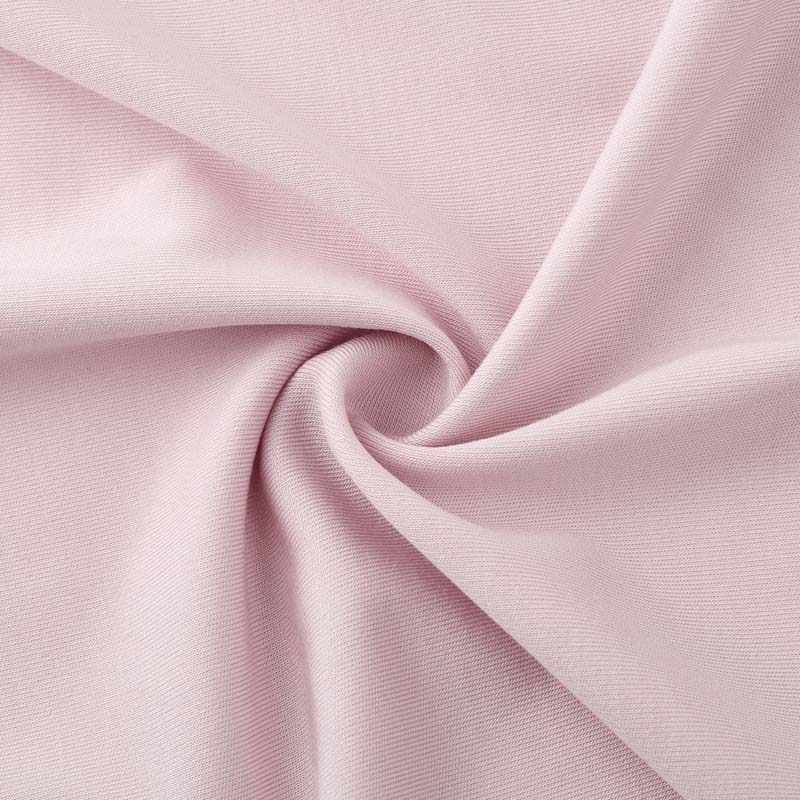
Understanding the Role of Breathability in Modern Pajama Fabric
For sleepwear manufacturers, selecting the right pajama fabric is an important step in creating products that provide comfort across different seasons. Pajamas are not simply home clothing. They are garments that stay close to the skin for many hours, which means fabric performance directly affects sleeping comfort, moisture control, softness, and overall user experience.
In recent years, consumers from different markets have become more selective about sleepwear materials. Many buyers are looking for pajamas that feel soft during daily use, remain comfortable in changing temperatures, and maintain good appearance after repeated washing. For brands producing seasonal collections, choosing a reliable pajama fabric can help improve product consistency and meet different customer expectations.
From our practical experience in textile development, we have found that fabric selection should always start with the end-use environment. For example, customers in warm and humid regions often prefer lightweight fabrics with good air circulation, while customers in cooler areas may pay more attention to warmth, softness, and comfortable layering. A successful sleepwear fabric solution needs to balance these different requirements.
Eastotec focuses on functional textile fabric development for apparel manufacturers. The company provides fabric solutions for various clothing applications, including comfortable homewear, sleepwear, and stretch apparel. With professional experience in fiber selection and fabric production, Eastotec helps customers develop pajama fabric that meets practical garment manufacturing needs.
How Fiber Composition Influences Pajama Comfort and Performance
The performance of pajama fabric is closely connected with fiber composition, yarn structure, and finishing technology. A comfortable pajama material is usually created through a combination of suitable fibers and precise textile processes rather than depending on one single feature.
For all-season sleepwear production, manufacturers often need fabrics that provide softness while maintaining breathability and durability. Cotton-based materials are commonly selected for homewear products because of their natural hand feel and comfortable wearing experience. Many small and premium homewear brands in Europe and North America prefer fabrics with a soft touch and relaxed appearance for lifestyle pajamas and casual lounge sets.
At the same time, polyester-based stretch fabrics are also widely used in modern sleepwear collections because they provide advantages such as shape retention, easy care, and stable performance during production. When combined with elastic fibers, polyester materials can offer better movement comfort, making them suitable for pajamas designed for active home lifestyles.
The physical properties of fabric should always be considered together. Air permeability, moisture management, fabric weight, stretch recovery, and surface softness all influence the final wearing experience. Textile professionals often explain that comfort is the result of multiple factors working together, not a single laboratory measurement.
Eastotec evaluates these factors during fabric development. By understanding customer requirements, garment design, and target market conditions, the company supports manufacturers in selecting suitable pajama fabric solutions.
Professional Evaluation Methods for All-Season Pajama Materials
Choosing pajama fabric for commercial production requires more than checking appearance and hand feel. Professional manufacturers usually evaluate fabric performance through several technical aspects before moving into large-scale production.
One important factor is moisture management. During sleep, the human body naturally releases heat and moisture. A fabric with suitable breathability can help maintain a more comfortable micro-environment between the skin and clothing. This is especially important for customers living in warmer climates.
Another key consideration is fabric durability. Sleepwear is frequently washed, so the material needs to maintain its softness, color stability, and structural performance after regular care. A fabric that performs well only during the first use may not provide long-term value for consumers.
Environmental responsibility is also becoming an important factor in textile purchasing decisions. Many international apparel buyers pay attention to sustainability-related certifications such as OEKO-TEX, GOTS, and GRS when selecting suppliers. These certifications are commonly associated with responsible textile production practices, material traceability, and chemical management requirements.
Eastotec works with customers who value quality control and responsible textile development. The company considers both fabric performance and production requirements when providing pajama fabric solutions for different apparel applications.
Real Application Experience in Sleepwear Fabric Development
In actual garment projects, one challenge manufacturers often face is finding a fabric that can support different product categories without creating production difficulties. A sleepwear collection may include lightweight summer pajamas, comfortable lounge sets, and transitional-season homewear, which require different performance balances.
Based on our experience working with textile applications, successful fabric selection usually begins with understanding the consumer’s daily lifestyle. For example, a relaxed pajama set designed for home use may focus more on softness and skin comfort, while a travel-friendly sleepwear product may require better wrinkle resistance and easy-care properties.
For some apparel customers, combining comfort with practical maintenance is a key requirement. Fabrics used in homewear need to feel pleasant while also allowing convenient washing and long-term use. This is where stable textile construction and professional fabric development become important.
Eastotec focuses on practical application rather than only theoretical performance. The company works with manufacturers to analyze garment purpose, production processes, and market positioning before recommending fabric options.
This experience-based approach helps customers create sleepwear products that better match real consumer needs.
Building Better Sleepwear Products Through Advanced Fabric Solutions
The future of sleepwear is moving toward greater comfort, functionality, and responsible production. Consumers are paying more attention to where fabrics come from, how they feel, and how well they perform in everyday situations.
A well-developed pajama fabric should provide a balanced combination of softness, breathability, durability, and wearing comfort. Whether used for casual homewear, premium lounge collections, or seasonal pajamas, the fabric needs to support both manufacturer requirements and consumer expectations.
Textile experts continue to emphasize that fabric innovation should combine technical knowledge with real market feedback. Understanding fiber characteristics, production conditions, and end-user habits helps manufacturers create more competitive products.
Eastotec continues to provide professional textile solutions for apparel companies. With experience in functional fabric development, quality management, and customer-focused service, the company helps partners develop comfortable and reliable pajama fabric for different global markets.
Table of Contents
- Understanding the Role of Breathability in Modern Pajama Fabric
- How Fiber Composition Influences Pajama Comfort and Performance
- Professional Evaluation Methods for All-Season Pajama Materials
- Real Application Experience in Sleepwear Fabric Development
- Building Better Sleepwear Products Through Advanced Fabric Solutions