
 EN
EN
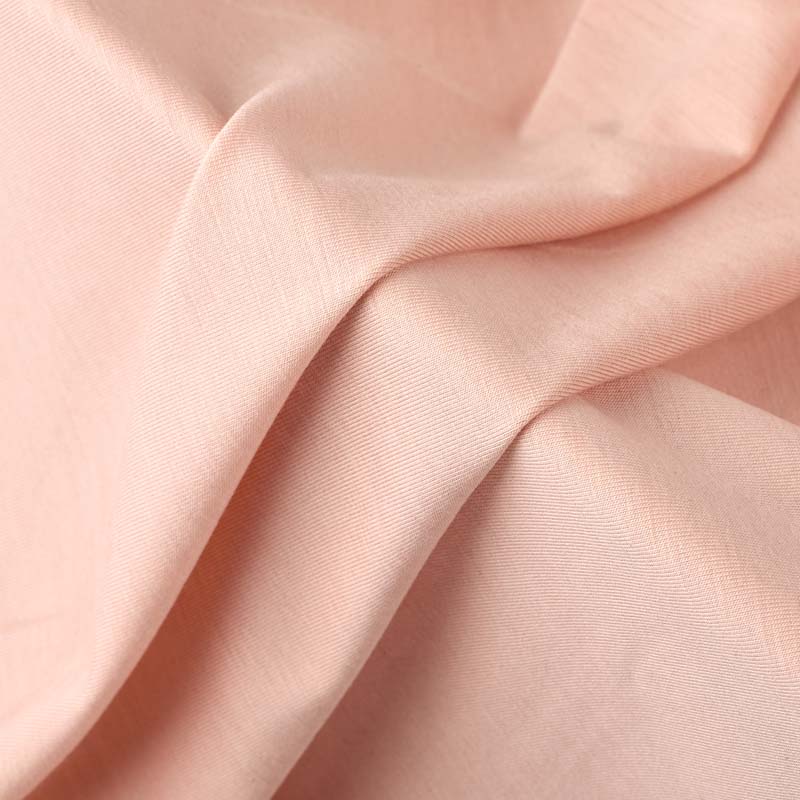
Understanding the Basic Requirements of Thermal Underwear Fabric
Thermal underwear plays an important role in cold-weather clothing systems because it is usually worn as the first layer close to the skin. A well-designed thermal underwear fabric needs to provide warmth while maintaining comfort during daily activities, outdoor work, and seasonal changes.
For manufacturers, developing qualified thermal underwear fabric is not only about making a thicker material. Modern consumers prefer thermal clothing that feels lightweight, comfortable, breathable, and easy to wear under different outer garments. Therefore, fabric performance needs to be considered from multiple aspects, including thermal retention, moisture management, softness, elasticity, and durability.
From our practical experience in textile development, we have noticed that different markets have different expectations for thermal underwear. Customers in colder regions may focus more on warmth and layering comfort, while customers in milder climates may prefer fabrics that balance warmth with breathability.
Eastotec specializes in functional textile fabric development for apparel manufacturers. The company provides fabric solutions for underwear, base layers, and other close-to-skin garments by focusing on material performance, production stability, and customer application requirements.
Important Physical Performance Indicators for Thermal Fabrics
A qualified thermal underwear fabric should achieve a balanced combination of functional properties. The first important factor is warmth retention. The fabric structure should help reduce heat loss while maintaining a comfortable wearing feeling.
However, warmth is not created simply by increasing fabric thickness. Fiber characteristics, fabric structure, air retention ability, and finishing technology all influence thermal performance. A well-designed fabric can provide comfortable warmth without creating unnecessary heaviness.
Moisture management is another key factor. During daily activities, the human body naturally produces heat and moisture. If moisture remains trapped between the skin and clothing, it may reduce comfort. Fabrics with suitable breathability and moisture control properties can help create a better wearing environment.
Elasticity is also important for thermal underwear because the garment needs to follow body movement. A certain level of stretch allows the clothing to fit comfortably while maintaining freedom of movement.
According to textile experts, fabric comfort is a comprehensive result of fiber selection, construction methods, and finishing processes. A professional thermal underwear fabric solution should focus on overall performance rather than a single technical feature.
How Material Selection Influences Thermal Underwear Performance
The choice of fiber has a direct influence on thermal underwear fabric characteristics. Different fiber combinations can create different levels of softness, warmth, flexibility, and durability.
In functional apparel development, synthetic fibers are often considered because they can provide stable physical properties and reliable production performance. When combined with proper fabric structures, they can support comfortable base-layer applications.
For some premium home and lifestyle clothing products, cotton-based fabrics are valued for their natural touch and comfortable skin feeling. Many European and North American niche homewear brands prefer materials that create a relaxed and soft wearing experience.
For outdoor and active applications, fabric performance requirements may be different. Lightweight quick-drying fabrics are often considered for hiking shirts, outdoor T-shirts, and sports clothing because users need materials that can support active movement and changing environments.
Eastotec evaluates different application scenarios when developing functional fabrics. The company considers fiber characteristics, fabric construction, and end-use requirements to provide suitable thermal underwear fabric solutions.
Practical Experience in Thermal Fabric Development and Application
In real textile projects, one of the biggest challenges is balancing warmth with comfort. Consumers usually want thermal underwear that keeps them comfortable during cold weather but does not feel heavy or restrictive.
Based on practical development experience, successful thermal fabric selection starts with understanding the final product purpose. A winter base-layer product, a daily indoor thermal garment, and an outdoor activity layer may require different fabric characteristics.
For example, a manufacturer producing outdoor thermal clothing may pay more attention to moisture management and flexibility because users may move frequently. A company developing everyday thermal underwear may focus more on softness, comfort, and easy maintenance.
Eastotec works closely with apparel manufacturers to understand product positioning before recommending materials. The company considers production processes, garment functions, and customer expectations to create suitable fabric solutions.
This practical approach helps manufacturers improve product consistency and reduce unnecessary adjustments during development.
Creating Reliable Thermal Clothing Through Professional Fabric Solutions
The future of thermal clothing is moving toward lighter, more comfortable, and more functional materials. Consumers expect thermal underwear to provide reliable warmth while also supporting daily comfort and active lifestyles.
A high-quality thermal underwear fabric should combine warmth retention, breathability, moisture control, softness, and durability. These characteristics work together to create better clothing performance.
Sustainable textile development is also becoming increasingly important. Many international apparel buyers pay attention to certifications such as OEKO-TEX, GOTS, and GRS when evaluating textile suppliers. These certifications are related to responsible material management and production practices.
Eastotec continues to provide professional textile solutions for apparel manufacturers. With experience in functional fabric development, quality management, and customer-focused service, the company helps customers create reliable thermal underwear fabric for different markets and applications.
Table of Contents
- Understanding the Basic Requirements of Thermal Underwear Fabric
- Important Physical Performance Indicators for Thermal Fabrics
- How Material Selection Influences Thermal Underwear Performance
- Practical Experience in Thermal Fabric Development and Application
- Creating Reliable Thermal Clothing Through Professional Fabric Solutions