
 EN
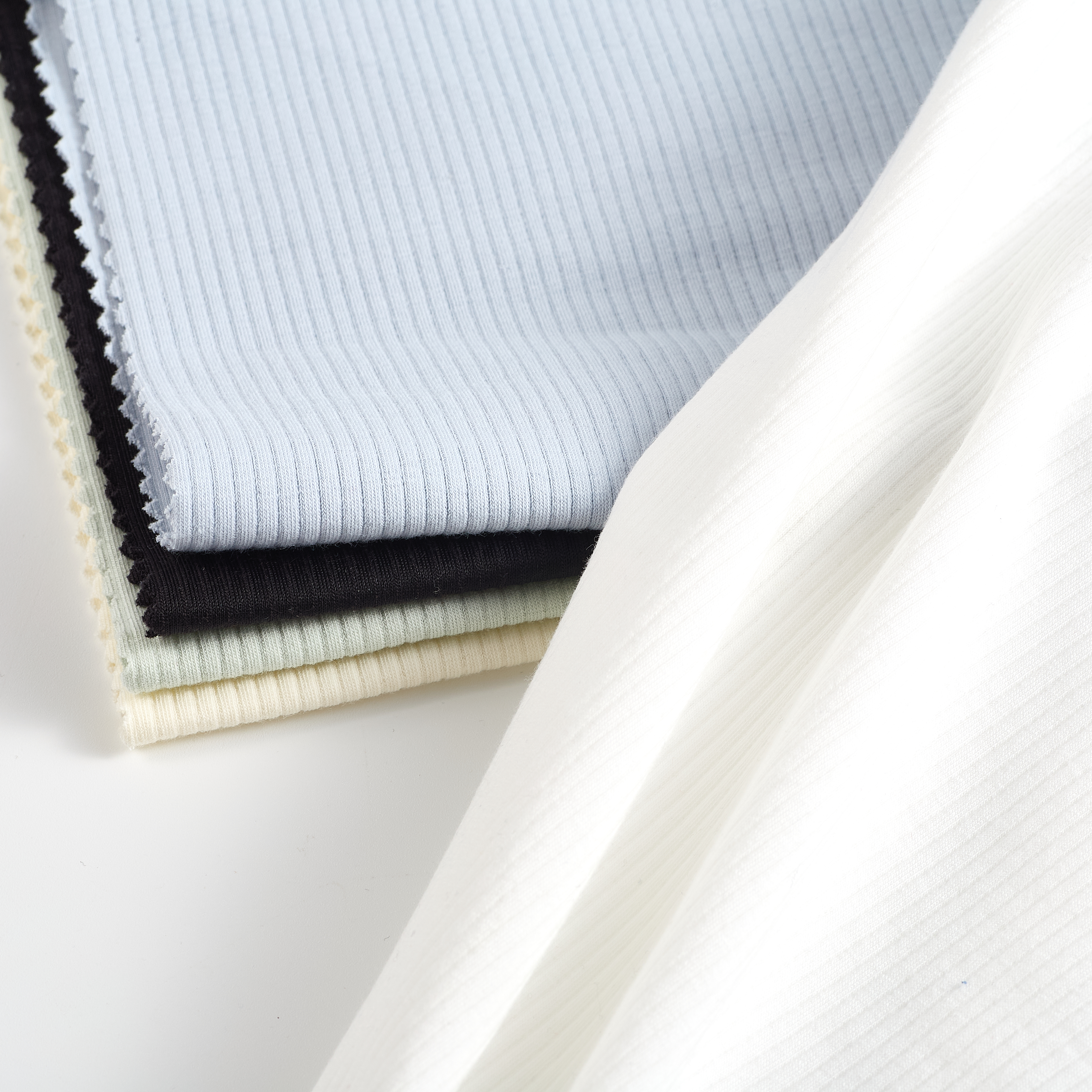
Designing High-Performance Stretch for Movement
Activewear demands technical textiles that support rapid muscular extension, continuous flex, and dynamic shape recovery without binding the athlete. When engineering a high-elastic spandex fabric, the interplay between synthetic filaments and stretch elastomers directly governs garment movement. In modern activewear and athleisure garments, synthetic microfibers like nylon or polyester are co-knitted with high-grade elastane to form a resilient matrix. Nylon provides outstanding abrasion resistance and a smooth skin contact surface, while spandex imparts the elastic elongation necessary for tight compression tights and active tops. Achieving the correct stretch balance requires calculating how the fabric behaves under both multi-directional strain and quiet resting states. If the elastane proportion is under-engineered, the garment sags after repeated movement; if over-engineered, it restricts natural joint motion. Tailoring this stretch behavior underpins every formulation we develop for high-impact training gear and daily fitness apparel.
Precision Knitting and Elastane Tension Control
The knitting mill is where high-elastic properties are precisely embedded into the cloth matrix. While manufacturing specialized activewear textiles on fine-gauge circular and warp knitting machines, elastane yarn tension must be continuously monitored using electronic feeding systems. During a recent trial for a sports garment client producing yoga wear and studio apparel, even slight fluctuations in elastane feed tension caused visible streakiness and uneven power stretch across the fabric roll. Our technicians set strict yarn tension tolerances to ensure that every needle row incorporates an identical volume of stretch filament. Choosing interlock or double-knit structures over basic single jersey yields greater modulus power, higher opacity, and dependable non-sheer performance during deep squats and flexed poses. Controlling stitch density and machine speed prevents heat friction build-up, ensuring that the continuous spandex filaments maintain their full tensile integrity throughout the length of every fabric roll.
Enhancing Recovery and Shape Retention Through Heat Setting
Knitting creates the stretch capacity, but high-temperature heat setting locks in structural shape memory and width stability. Unprocessed spandex fabric straight off the knitting machine contains high residual torque and unpredictable recovery traits. The fabric must undergo precision stenter processing, where temperature, exposure time, and chain width are governed according to the specific denier of the elastane used. Passing through the heated chambers relaxes internal yarn tensions while stabilizing the structural width and weight per square meter. Proper thermal stabilization ensures that when the fabric is exposed to repeated stretching, body moisture, and regular laundry cycles, it quickly rebounds to its original dimensions. In our laboratory testing procedures, we evaluate elastane fatigue by running multi-cycle stretch and recovery tests, confirming that the material retains its shape recovery rate after prolonged elastic distortion.
Real-World Applications from Yoga Studios to High-Impact Sports
The performance requirements for spandex fabric vary significantly depending on the intended user scenario. For yoga enthusiasts and studio practitioners, a soft, supple nylon-spandex interlock provides a buttery-soft second-skin feel, non-restrictive four-way stretch, and matte opacity for complete confidence during movement. For outdoor running, hiking, and active training, the fabric construction shifts toward moisture management, quick drying, and cooling, where polyester-spandex or nylon blends actively transport perspiration away from the skin while maintaining form-fitting muscle support. For casual athleisure and active base layers, cotton blended with spandex offers an ideal balance of soft natural comfort with reliable shape retention. By pairing the appropriate elastic fabric specification with the intended active lifestyle, activewear brands can deliver garments that perform seamlessly across distinct physical demands without sacrificing durability or tactile appeal.
Quality Standards, Certifications, and Sourcing Minimums
Manufacturing durable activewear textiles requires clear compliance, verifiable quality control, and scalable commercial terms. Our performance spandex fabric range includes options compliant with GRS for recycled nylon or polyester inputs, along with OEKO-TEX STANDARD 100 testing to verify the absence of skin-irritating chemical residues. Every production roll passes rigorous automated optical and manual inspection for surface defects, weight uniformity, and color fastness before packaging. To facilitate new product lines and seasonal developments, our base minimum order quantity for custom-dyed spandex fabric stands at 1,000 meters per colorway. We collaborate closely with activewear manufacturers, providing comprehensive technical datasheets, lab dips, and sample cuts for pattern fitting and wear testing. Contact our sales engineering team today to review technical specs, request swatch books, and start developing your next high-performance sportswear line.