
 EN
EN
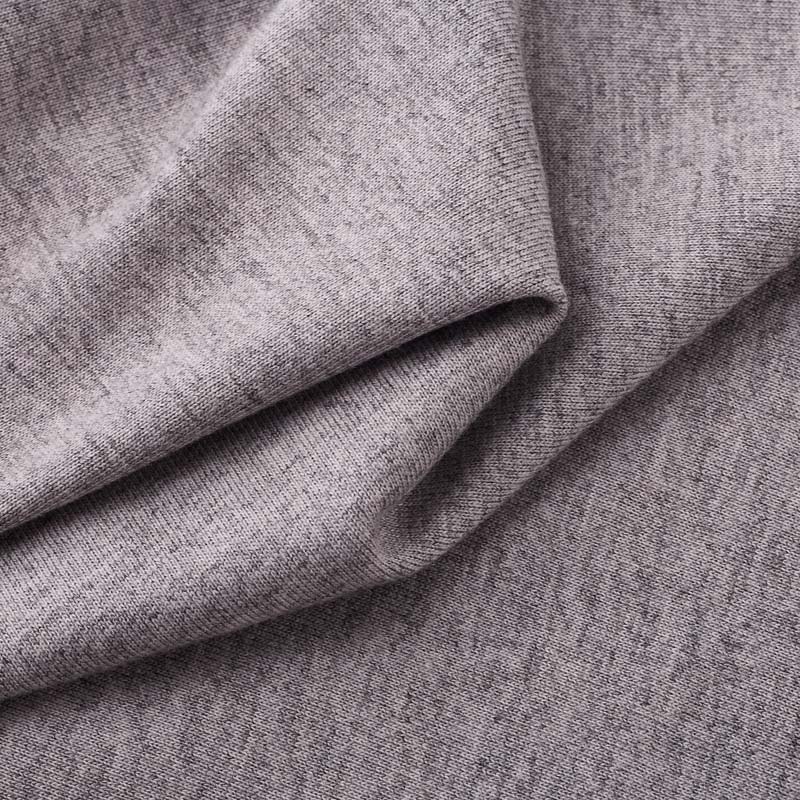
Thermal Retention Mechanism: Merino Wool vs Regular Coarse Wool
Over eight years of cooperation with outdoor brands, we found a universal flaw of mid-range thermal base layers: cotton and polyester lose warmth once soaked with sweat, forcing users to carry spare clothes. One European brand tested seven thermal knits and finally adopted our custom merino fabric built on the EASTO-THERMOVA platform, which fully solved unstable warmth under damp conditions.
Dr. Helen Jones from RMIT University explained that fiber fineness and natural crimp determine wool’s heat storage capacity. Premium merino fibers thinner than 18 microns form dense, durable air pockets inside knits, acting as natural cold barriers. In contrast, regular coarse wool has thick, loose fibers whose air layers collapse easily under sweat and pressure, resulting in rapid heat loss and skin irritation.
Our fine-spun merino fabric retains complete natural fiber crimp without damaging heat-storing hollow channels. Even after hours of intense sweating during climbing, its insulating air pockets stay intact to avoid fast heat dissipation at rest, unlike damp coarse wool that clings cold to skin. All fabrics pass GOTS and OEKO-TEX certifications with no harmful chemical residues, requiring no synthetic thermal coatings. Lab tests prove merino garments maintain a skin microclimate 3–5°C warmer than equal-weight regular wool blends at -5°C wind chill.
Multi-Scenario Application Merits Against Regular Wool
Stable constant temperature expands merino’s usage far beyond professional outdoors, outperforming coarse wool across all categories. For outdoor hiking and skiing, New Zealand partners apply our merino fabric to base layers. One merino long sleeve replaces two polyester shirts and halves luggage weight, while bulky coarse wool turns freezing once wet and is unfit for long treks. In home loungewear, Canadian brands pick lightweight merino pajamas to fix the problem of bloated cotton and chilly thin synthetics; thick coarse wool pajamas feel stuffy indoors. For infant wear, itch-free merino avoids temperature swings that trigger baby eczema, whereas rough coarse wool irritates delicate infant skin and rarely gets used for tight baby clothes. Supported by the EASTO-AERMERE lightweight knit system, merino delivers bidirectional temperature control for spring and autumn commuter cardigans and vests, locking warmth in cool mornings and releasing excess heat at noon. Overly heat-trapping regular wool only suits severe winter. We customize weights from 120gsm ultra-thin transitional fabric to 380gsm thick alpine knit, all maintaining consistent heat retention impossible for regular wool.
Long-Term Durability: Merino Outperforms Synthetics & Coarse Wool
Many buyers choose cheap synthetic fabrics at first, yet market data shows obvious performance gaps. After switching to our merino fabric, a German outdoor brand recorded a 72% drop in cold-related returns and 41% higher repurchase rate within two years. Synthetic thermal coatings wear off after 10–15 washes and lose all warming functions. Repeated laundering ruins coarse wool’s crimp structure and collapses its heat pockets. Our internal QC confirms merino retains stable insulation after over 50 washes, relying purely on natural fiber structure instead of chemical additives. Natural lanolin inside merino fibers brings intrinsic odor resistance. Mountaineers report no unpleasant smell after seven-day alpine trips, while polyester and coarse wool need daily washing. Our sustainable EASTO-BIOVARA production uses biodegradable scouring agents, making merino fully compostable after use. Complete third-party test reports on thermal conductivity, color fastness and shrinkage are provided for every batch to support brand certification.
One-Stop Customization Service for Brands
We offer full-process custom knit development matching brand positioning, with better stretch blending performance than regular wool which sacrifices warmth after mixing spandex. At consultation, our team confirms application scenarios, fabric weight, blend ratio, delivery schedule and budget. We develop 120–180gsm ultra-light outdoor styles and 320–400gsm fluffy winter knits as required. Clients can select existing prototypes or commission exclusive grey fabric mixed with recycled spandex for gentle stretch without weakening thermal performance. We adjust softness, shade and texture via lab dip samples before mass production. Strict layered quality control runs during manufacturing to inspect weight uniformity, width deviation and thermal index. Final full inspection eliminates broken yarns, uneven dyeing and shrinkage, with full GOTS and OEKO-TEX certificates attached to each shipment. Small niche labels and large outdoor enterprises can both get tailored high-stability merino fabric.
Future Trend: Natural Warmth Combined with Green Textile Tech
Rising consumer demand for functional and eco-friendly apparel makes merino our core R&D focus under EASTO-THERMOVA. Our two-year research developed merino blended with trace bio-based elastic fibers, keeping 98% original warmth while adding four-way stretch that regular wool cannot achieve. Textile Exchange experts forecast merino-dominated natural thermal fibers will occupy over 40% of global outdoor base layer market by 2028, replacing most chemical-coated synthetics. We adopt closed-loop dyeing equipment recycling over 85% wastewater to meet GRS standards for partial blended styles. Merino balances warmth, skin comfort and sustainability without hidden chemical risks or coarse wool’s drawbacks, suitable for hiking, daily loungewear and cold-season commuting. We launch updated fabric prototypes quarterly, optimizing natural heat-locking performance with global user feedback and textile research to broaden cross-category applications.