
 EN
EN
Practical experience of fabric testing and real application scenarios
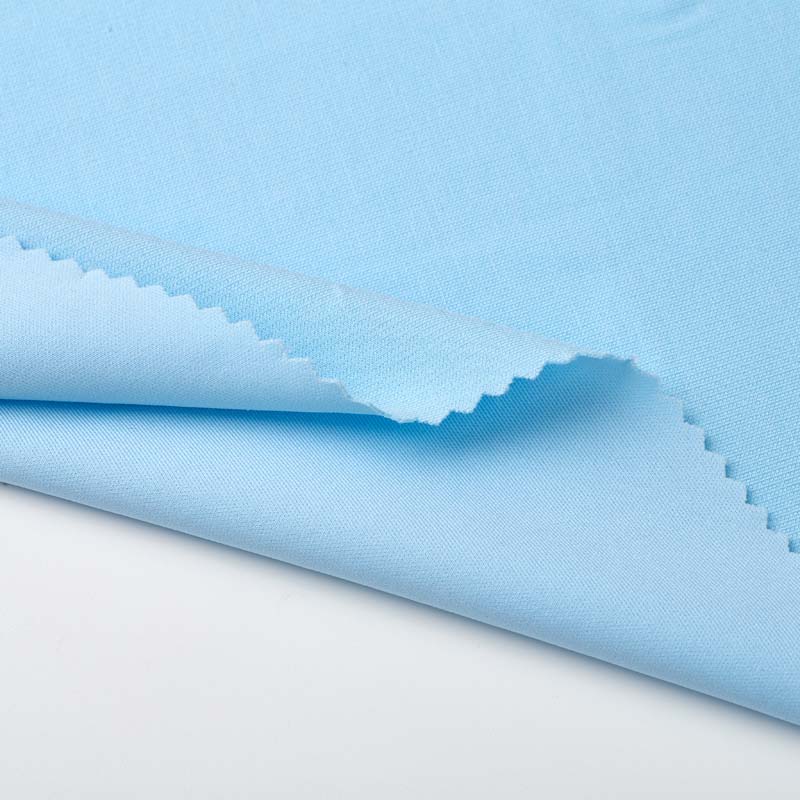
Working in the textile industry for over a decade, I have participated in countless fabric quality inspections and performance verifications, and testing finished moisture wicking fabric has always been one of my core daily tasks. In the early stage of my career, I relied on simple visual checks and hand touches to judge fabric sweat absorption performance, which often led to inaccurate evaluations. Once we delivered a batch of untested moisture wicking fabric for summer outdoor running shirts and casual fitness tops. After the products were launched, many end users reported that the clothes felt sticky after moderate exercise, and sweat could not disperse quickly. Later, we adopted standardized testing procedures to recheck the fabric and found that its comprehensive moisture absorption performance failed to meet the design standards. This incident made me realize that professional testing is an indispensable link before finished moisture wicking fabric is put into formal production and application. Nowadays, our finished moisture wicking fabric is widely used in multiple scenarios, including outdoor hiking apparel, gym training outfits and breathable loungewear for daily wear. Every roll of fabric will go through a complete set of absorption tests before leaving the factory. All our test samples and finished fabrics comply with OEKO-TEX, GOTS and GRS certifications. These eco-friendly and safety credentials mean that while we verify functional performance, we also guarantee the fabric contains no harmful substances, so it will not cause skin discomfort even after absorbing a large amount of sweat during long-time wearing. This combination of functional testing and safety inspection has become our consistent working standard.
Basic preparation and pre-test specifications for professional fabric testing
Before conducting formal tests on the moisture absorption effect of finished moisture wicking fabric, standardized sample selection and environmental adjustment are the foundation to ensure accurate and repeatable test data, which are also key contents emphasized by international textile testing experts. First of all, sample cutting must follow strict rules. We never take samples from fabric edges or areas with obvious defects, folds and yarn deviations. According to unified industry specifications, we cut multiple square samples of fixed sizes from different positions of each fabric roll to avoid one-sided test results caused by uneven local weaving. After sampling, all specimens need to be placed in a constant temperature and humidity laboratory for moisture balance treatment, so that the internal moisture content of each sample stays at a stable level and eliminates the interference of natural air humidity on test results. Meanwhile, we will classify samples based on different application directions. For the moisture wicking fabric used for outdoor short-sleeved shirts and fitness vests, we set separate test groups to simulate the sweat state under different exercise intensities. Professional textile testing institutions also point out that pre-treatment details directly determine the credibility of the entire test. In addition to sample processing, we also carry out pre-inspection on all testing instruments, including precision electronic balances, drip testers and vertical wicking devices, to calibrate parameters and eliminate mechanical errors. During this stage, we will also record basic information such as fabric batch number, weaving type and fiber composition one by one, forming complete test files. All auxiliary tools and experimental solutions used in the whole process meet the chemical safety requirements of eco-certifications, ensuring the testing work itself is environmentally friendly and non-polluting.
Main testing methods and operational steps for moisture absorption performance
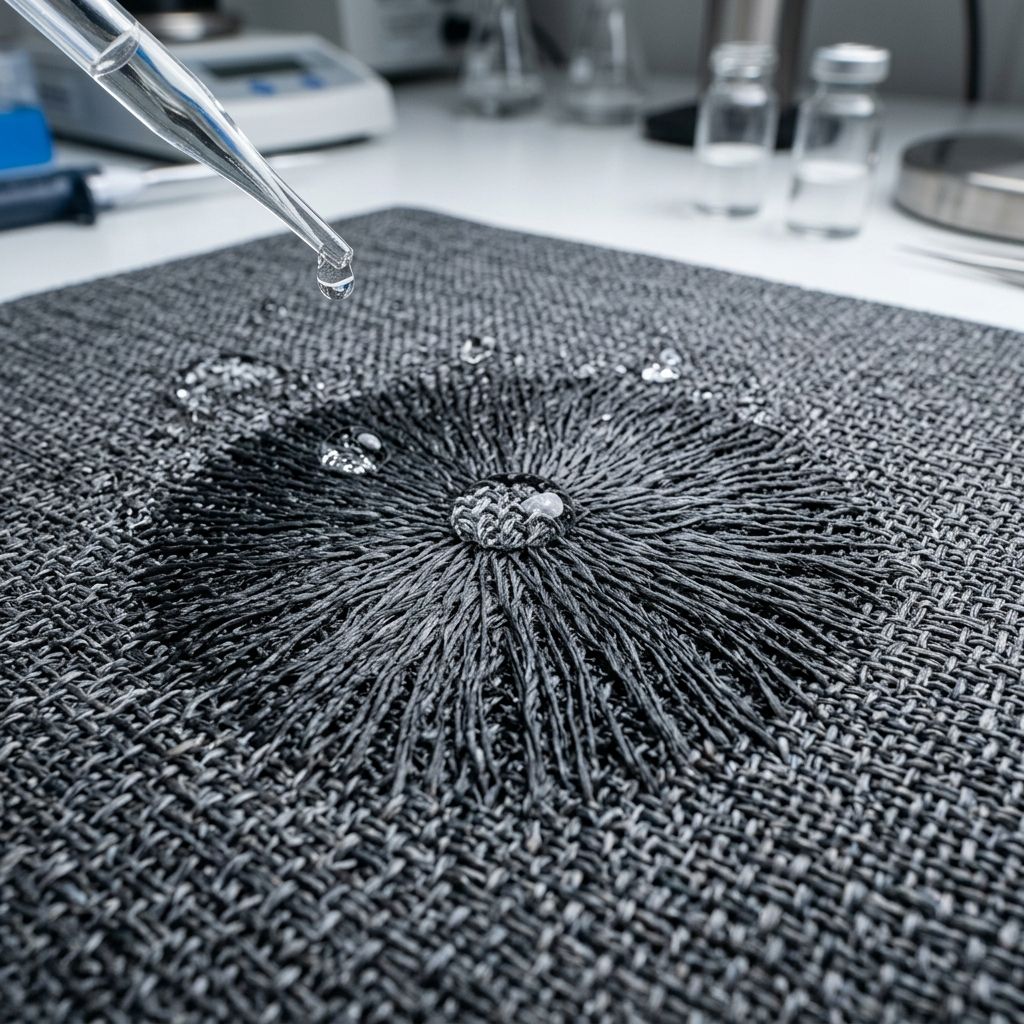
There are multiple mature testing methods to comprehensively assess the moisture absorption effect of finished moisture wicking fabric, covering static absorption, dynamic diffusion and persistent water retention, and each method corresponds to different actual wearing states. The first conventional method is the water absorption rate test, which is used to evaluate the maximum water absorption capacity of the fabric. We weigh the original weight of the standard sample first, then completely immerse the sample in pure water for a fixed period of time, take it out and hang it vertically until no more water drips, and weigh it again to calculate the percentage of absorbed moisture. This data can reflect how much sweat the fabric can hold when users do high-intensity exercise such as trail running. The second widely used method is the droplet diffusion test. We drop quantitative water droplets from a fixed height onto the flat fabric surface and record the time it takes for the droplets to completely spread and infiltrate. This index is very suitable for simulating the instant absorption of sporadic sweat during daily leisure and low-intensity activities like walking and slow yoga. The third item is the vertical wicking height test. Fix the sample vertically and soak the bottom end in water, then measure the height that water climbs along the fabric within the specified time. It can effectively judge the fabric’s ability to transport sweat upward along the fiber gaps, which is critical for preventing local sweat accumulation on the back and chest. For moisture wicking fabric applied to all-weather outdoor clothing, we will also add a repeated washing cycle test. After dozens of simulated home washes, we re-test the above three indicators to verify whether the moisture absorption function remains stable. Our test results show that our finished moisture wicking fabric still maintains excellent absorption and diffusion capabilities after repeated washing, fully adapting to long-term daily use.
Data analysis criteria and linkage with terminal product performance
After collecting all test data of moisture absorption indicators, scientific data analysis and result judgment are required, and the evaluation standards are closely connected with the actual wearing experience of terminal products. The textile industry has formed unified judgment thresholds for different types of moisture wicking fabric. For lightweight moisture wicking fabric used for summer outdoor apparel and fitness wear, higher water absorption rate and faster droplet diffusion speed are required to cope with frequent perspiration in hot environments. For medium-thick fabric applied to outdoor windproof jackets and transitional seasonal sportswear, we pay more attention to the balanced performance of water absorption and rapid drying, preventing the fabric from staying wet for a long time after absorbing sweat and causing cold discomfort. Professional textile analysts remind us that a single high absorption rate does not represent excellent overall performance. Qualified moisture wicking fabric needs to absorb sweat quickly and evaporate moisture in time. In our daily testing work, we will sort fabrics into different grades according to comprehensive data. Fabrics that reach the highest standard will be supplied to high-end outdoor brands and professional fitness apparel lines; qualified products with slightly lower indicators will be matched with daily casual sportswear and family outdoor suits. We also track user feedback of finished garments regularly. If some clothes are reported to have slow sweat diffusion, we will compare the feedback with the original test data to optimize the fabric formula and weaving density. Benefiting from the constraints of OEKO-TEX, GOTS and GRS standards, while optimizing moisture absorption performance, we always ensure that all chemical additives used in fabric finishing will not penetrate into the sweat and affect human health, realizing the dual guarantee of functionality and safety.
Post-test tracking, quality optimization and brand cooperative value
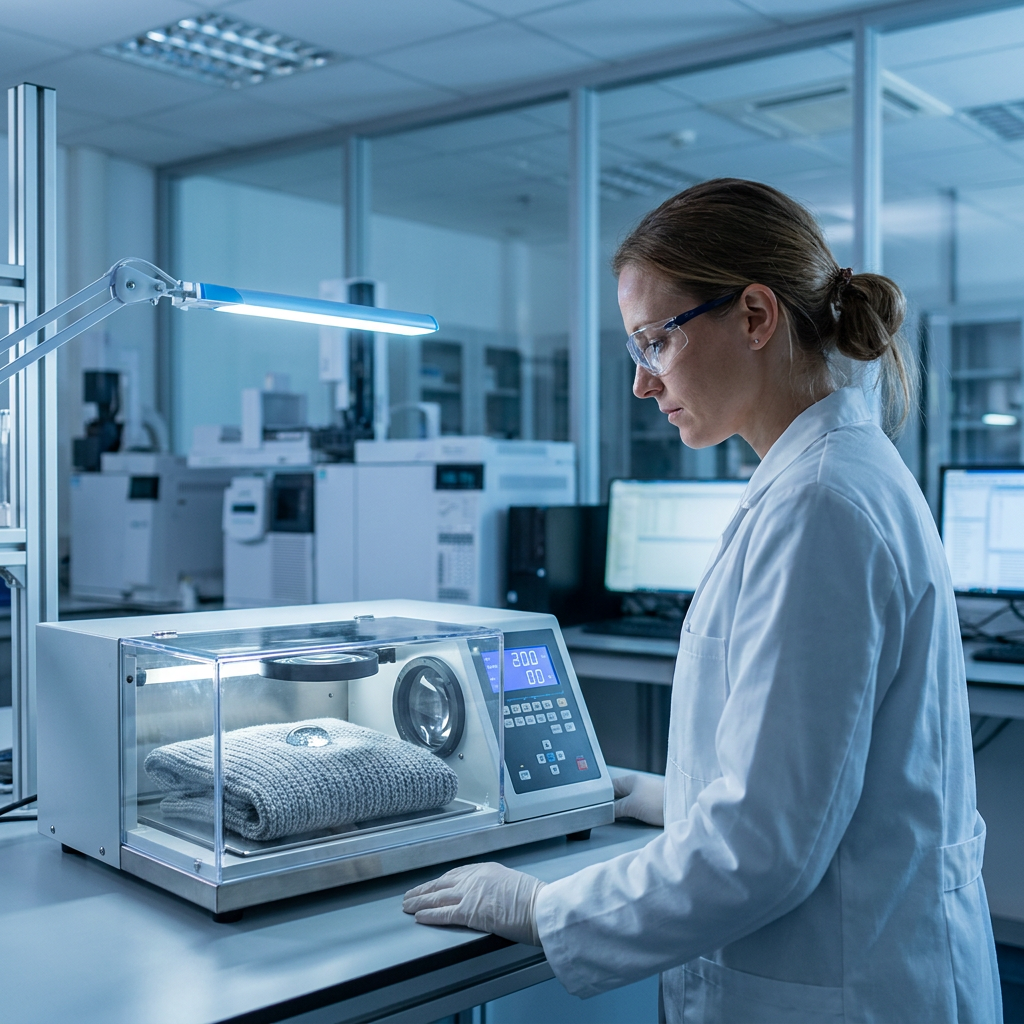
Complete fabric testing work does not end with issuing test reports. Continuous post-test tracking, performance optimization and technical iteration are important links to maintain the long-term stability of moisture wicking fabric quality. After each batch of fabric completes the moisture absorption test, we will archive all data, sample photos and test videos to establish a traceable quality file. When customers put forward personalized functional requirements according to product positioning, such as enhancing instant absorption for hot yoga clothes or improving sweat conduction for long-distance running suits, our R&D team will adjust fiber blending ratio, knitting structure and surface finishing technology based on historical test data, and arrange targeted re-tests until the indicators fully meet customization demands. We have built multiple knitted platforms including lightweight performance knit and soft comfort knit. For each new platform product, we will conduct a full set of moisture absorption tests in the early research and development stage to lock the best technical parameters. For brand partners, we can provide complete test reports and eco-certification documents of each fabric batch, helping them complete product quality inspection and market access procedures. Many apparel brands that cooperate with us use our detailed test data as an important selling point for functional clothing, winning the trust of consumers who pay attention to fabric performance. In the current functional textile market, standardized testing capabilities have become a core part of supplier competitiveness. Strict moisture absorption testing, continuous product optimization and complete after-sales tracking services enable our moisture wicking fabric to maintain stable performance in various application scenarios, creating reliable product strength and long-term cooperative value for all brand partners.
Table of Contents
- Practical experience of fabric testing and real application scenarios
- Basic preparation and pre-test specifications for professional fabric testing
- Main testing methods and operational steps for moisture absorption performance
- Data analysis criteria and linkage with terminal product performance
- Post-test tracking, quality optimization and brand cooperative value