
 EN
Why Cotton Spandex Fabric Works So Well for Modern Apparel
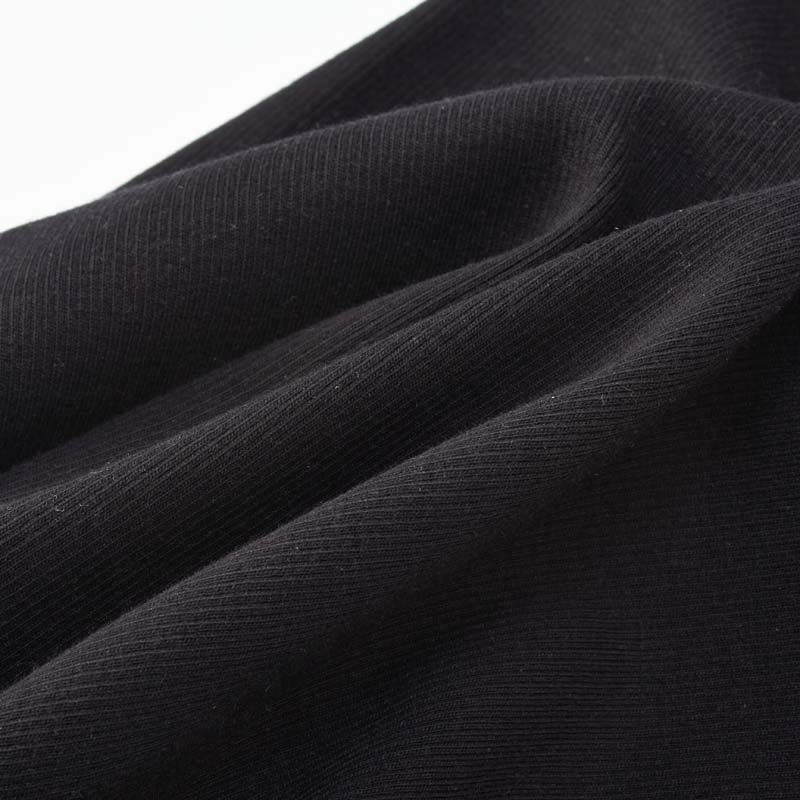
Cotton and stretch have become a practical combination for brands that want clothing to feel natural without giving up freedom of movement. The challenge is that not every cotton spandex fabric behaves the same way. Fiber ratio, yarn selection, knitting structure, fabric weight, finishing, and garment construction can all change the final result. A fabric with a modest amount of spandex may be ideal for everyday underwear, while another cotton spandex fabric with a different structure may be more suitable for fitted T-shirts, yoga clothing, training tops, or relaxed loungewear. EASTOTEC develops knitted fabrics for innerwear, leisurewear, outdoor apparel, and thermal products, giving buyers the opportunity to choose materials according to the actual garment scenario rather than forcing every product into one specification. A listed 160 GSM cotton spandex fabric uses 95% cotton and 5% spandex, with a 165 cm width, and is positioned for garments including T-shirts, loungewear, sportswear, and underwear. This type of construction is particularly useful when the brand wants a familiar cotton touch with enough stretch to support movement and a closer fit. The important point for buyers is to define what “comfort” means for the finished garment. Comfort can mean softness for a premium homewear label, controlled recovery for slim-fit basics, easy movement for yoga wear, or stable shape after repeated washing. A professional cotton spandex fabric supplier should therefore discuss the intended use before recommending a blend.
Matching Stretch, Recovery, and Fabric Weight to the Garment
The performance of cotton spandex fabric is not determined by spandex content alone. In production, stretch and recovery need to be considered together. Stretch tells us how easily a fabric extends, while recovery describes how well it returns toward its original dimensions after being released. For a slim-fit T-shirt, excessive stretch without suitable recovery can make the garment lose its intended silhouette. For yoga or fitness clothing, insufficient stretch can restrict movement at the shoulders, hips, knees, or waist. This is why fabric selection should begin with the garment pattern and the movements expected during wear. A cotton spandex fabric used for everyday underwear may need gentle flexibility around the waist and leg openings, while a fabric intended for fitted activewear may need more multidirectional movement. Fabric weight also affects perception. A lighter jersey can feel easier to wear in warm conditions, while a heavier structure can offer more coverage and a stronger visual body. At EASTOTEC, different knitted constructions are developed for different end uses, including innerwear, leisure, outdoor, and thermal categories. This wider development approach is useful for brands that want to build several products around a consistent material philosophy. In practical sampling, we look beyond the first hand-feel check. The fabric should be evaluated after cutting, sewing, stretching, washing, and, where appropriate, repeated wearing. Seams can change how stretch is perceived, and the same fabric can feel very different in a loose T-shirt compared with a close-fitting sports top. Good fabric development therefore connects laboratory specifications with the actual garment.
From Yoga and Fitness to Premium Homewear
The strongest advantage of cotton spandex fabric is its versatility across everyday situations. Imagine a customer wearing a fitted cotton-rich T-shirt on a busy morning, moving from commuting to a short workout and then spending the evening at home. The garment needs to move naturally without feeling overly technical. For yoga clothing, a stretch knit can provide the flexibility needed for bending, stretching, and changing posture. For light fitness or studio training, the same material direction can be used for fitted tops, leggings with an appropriate construction, or base layers where softness remains important. For premium homewear brands in Europe and North America, cotton-rich fabrics can create a more relaxed luxury feeling for lounge sets, sleepwear, camisoles, and soft everyday basics. This is where product storytelling becomes more convincing: instead of simply saying that a fabric is “soft and stretchy,” a brand can explain why the construction suits a particular part of the consumer's day. EASTOTEC also develops outdoor-oriented knitted fabrics with quick-dry, moisture-transfer, cooling, and breathable characteristics. These materials can be considered for hiking T-shirts, active tops, and other outdoor garments where cotton may need to be combined with additional performance fibers. The choice should always follow the activity. A cotton spandex fabric is attractive when comfort and natural touch are central, while a performance-oriented blend may be more appropriate when rapid drying is a major requirement. This application-based approach helps brands avoid overengineering simple products while still giving technical garments the performance they actually need.
How Custom Fabric Development Reduces Production Risk
Customization becomes valuable when an existing fabric is close to the target but does not quite meet the garment requirements. A brand may like the softness of a cotton spandex fabric but need a different weight, width, color, stretch level, or surface finish. Another brand may want a specific composition for a slim-fit collection and need the fabric to remain stable during cutting and sewing. EASTOTEC's published custom development process includes consultation, base fabric and color selection, sample approval, contract and deposit, bulk production, quality control, and final inspection before shipment. Lab Dip or bulk samples can be used to confirm color, hand-feel, and visual effect before the order moves forward. This staged process is particularly useful for international buyers because fabric approval can be documented before a larger production commitment is made. From a practical development perspective, we often recommend testing the fabric in the same construction that the customer will use in production. A fabric can pass a basic appearance check and still create problems during sewing if the edge curls, the recovery is not suitable for the pattern, or the finished width does not match the cutting plan. Quality control should therefore include the characteristics that affect garment production, not just the fabric's appearance on the inspection table. Color consistency, weight, width, surface defects, stretch behavior, and finishing stability all contribute to the final result. For certified cotton spandex fabric, buyers should also verify that the certification applies to the specific material and product being purchased.
MOQ and Building a Repeatable Cotton Spandex Fabric Program
For brands ordering customized cotton spandex fabric, minimum order quantity is one of the first commercial points to clarify. EASTOTEC's published 160 GSM 95% cotton and 5% spandex fabric lists an MOQ of 1,000 meters, with customized service available. Other fabrics in the company's range also commonly show a 1,000-meter MOQ, but the actual requirement should be confirmed according to composition, color, development status, and production plan. This matters especially for small and medium-sized apparel brands because fabric quantity affects color development, production efficiency, inventory risk, and the cost of carrying unused material. A good purchasing process should therefore start with the finished garment plan rather than ordering fabric in isolation. Define the garment category, expected seasonal volume, target color range, fit, stretch requirement, and washing expectations first. Then select or develop the cotton spandex fabric around those requirements. For repeat programs, it is also useful to maintain an approved fabric specification that records composition, weight, width, color reference, hand-feel, finishing requirements, and relevant certification information. This gives both the brand and supplier a common technical reference when future orders are placed. In our experience, this kind of documentation is often more valuable than simply choosing a fabric because it feels good on the first inspection. If you are developing slim-fit T-shirts, yoga apparel, fitness basics, underwear, or premium loungewear, send us your target composition, GSM, width, application, color, and estimated quantity. Our team can help match an existing cotton spandex fabric or develop a customized knitted option, arrange samples, and move the project toward a clear bulk-production specification.