
 EN
EN
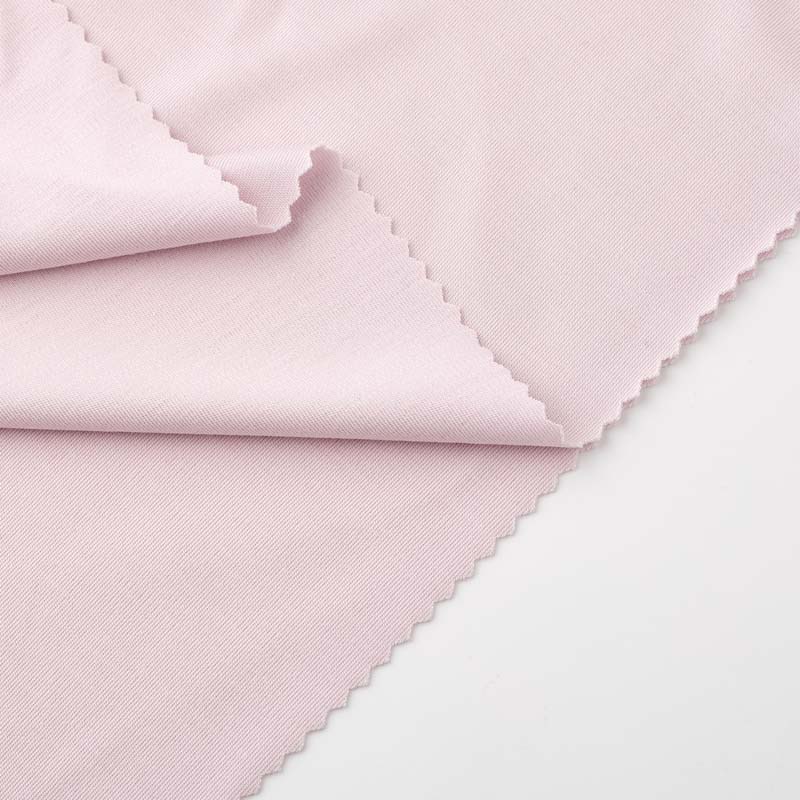
Why hand feel decides consumer satisfaction in pajama fabric
Sleepwear buyers sometimes focus too much on print patterns and price lists while ignoring the one factor that truly decides repeat purchases, which is the hand feel of pajama fabric. Modern consumers judge sleepwear by touching it before they try it on, and a soft and gentle surface texture immediately signals comfort and quality. Drawing from our experience supplying pajama fabric to niche homewear labels in Europe and North America, we have learned that European and American buyers tend to place softness at the top of their evaluation checklist, often ranking it above colour options. The reason is simple: pajamas sit against human skin for the longest continuous hours of the day, so any roughness, stiffness or scratchiness becomes deeply uncomfortable during sleep. Our pajama fabric range is developed with this insight in mind, blending carefully selected natural and synthetic yarns to create a smooth and breathable surface that feels comfortable from the very first touch. For brands serving the light luxury homewear market in Western regions, a genuinely soft pajama fabric works as the core selling point that separates your collection from ordinary mass produced sleepwear.
Material selection behind a truly soft pajama fabric
Achieving a genuinely soft pajama fabric depends on more than just fibre type, and the knitting structure and yarn twist also play decisive roles. Cotton remains a popular choice because of its natural breathability and skin friendliness, but the grade of cotton and the way it is spun change the final touch significantly. In our development projects, we frequently combine combed cotton with a small percentage of spandex or modal to enhance drape and stretch while preserving the cosy feel. We have also observed that some brands pursue softness purely through mechanical softening treatment, which may fade after several washes. A durable soft pajama fabric should deliver stable hand feel through yarn quality and construction rather than relying only on surface chemicals. When sourcing pajama fabric, ask suppliers whether the softness comes from fibre selection or from added finishing agents, because the answer directly affects how the garment feels after months of use. Brands aiming at premium positioning should also verify that materials carry recognised certifications, ensuring both comfort and safety for direct skin contact.
Compliance and certification for skin contact sleepwear
Since pajama fabric stays in direct contact with human skin for extended periods, safety standards carry special weight in this product category. Industry specialists from textile testing laboratories repeatedly emphasise that sleepwear materials must be free from harmful residues and harsh dyeing agents. OEKO-TEX Standard 100 certification is widely expected by European retail channels, confirming that the fabric passes strict limits for substances that could harm wearers. For brands pursuing eco friendly positioning, GOTS certification verifies organic cotton content throughout the supply chain, while GRS certification supports the use of recycled fibres. Our production facility can supply pajama fabric with these documentation sets according to customer requirements. We have seen growing demand from light luxury homewear brands for traceable raw materials, especially in markets where consumers actively check sustainability labels before purchase. By offering certified pajama fabric, you not only meet safety requirements but also strengthen consumer trust and support higher retail margins.
How to evaluate softness through practical testing methods
Professional fabric evaluation for pajama fabric goes beyond simple hand touching, and reliable buyers build systematic testing routines. We suggest testing fabric hand feel after washing, because many fabrics feel pleasant when new but become stiff or rough after household laundry cycles. Another useful method is comparing the fabric surface against standard touch samples to quantify differences in smoothness and drape. From our project records with European homewear clients, we often recommend creating several trial samples with slight variations in yarn blending so brands can select the most suitable option through direct comparison. It is also wise to pay attention to moisture absorption, since breathable pajama fabric helps regulate temperature and reduces night sweating. Consumers in Western markets increasingly describe their ideal sleepwear in terms of breathability and temperature balance rather than decorative looks. By combining objective testing with real wearing experience, brands can build a reliable evaluation framework for pajama fabric procurement.
Practical sourcing guidance for your pajama fabric line
When you plan a new pajama fabric collection, start by defining your target price range, brand positioning and required certifications, because these decisions shape every later step. Small batch trial production remains a strongly recommended step before bulk orders, helping you confirm colour consistency, hand feel stability and shrinkage performance across batches. Trusted fabric suppliers will share complete physical test reports and certification copies to support your purchasing decisions. Our team offers custom development for pajama fabric, covering weight, width, yarn composition and finishing options, all aligned with light luxury homewear and sustainable brand directions. We also support OEKO-TEX, GOTS and GRS certified materials to meet the needs of discerning international buyers. If you are looking for a dependable pajama fabric partner for your upcoming sleepwear project, please contact us for fabric swatches and detailed technical documentation.