 EN
EN
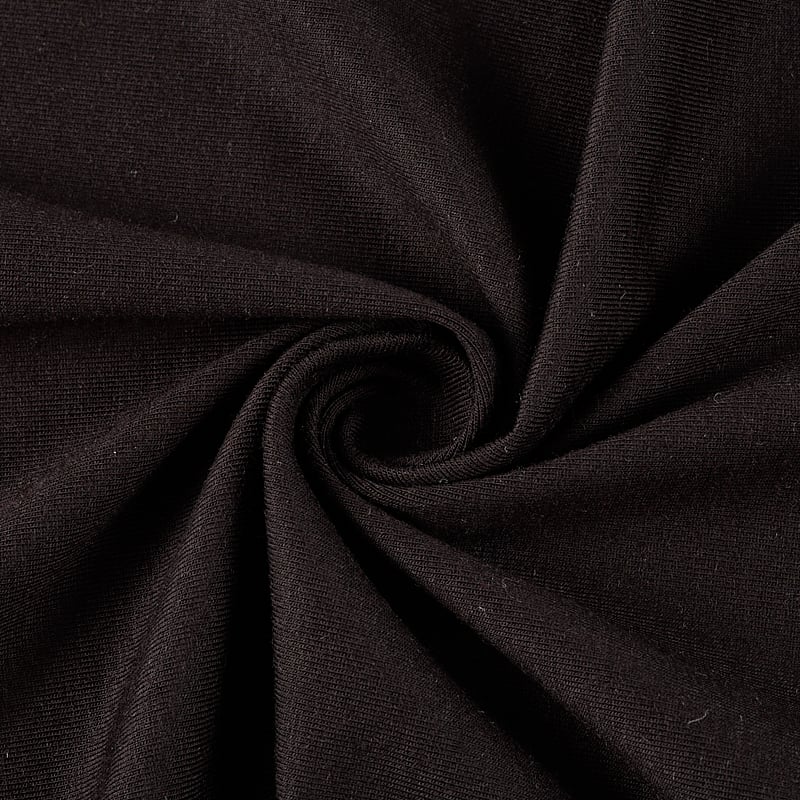
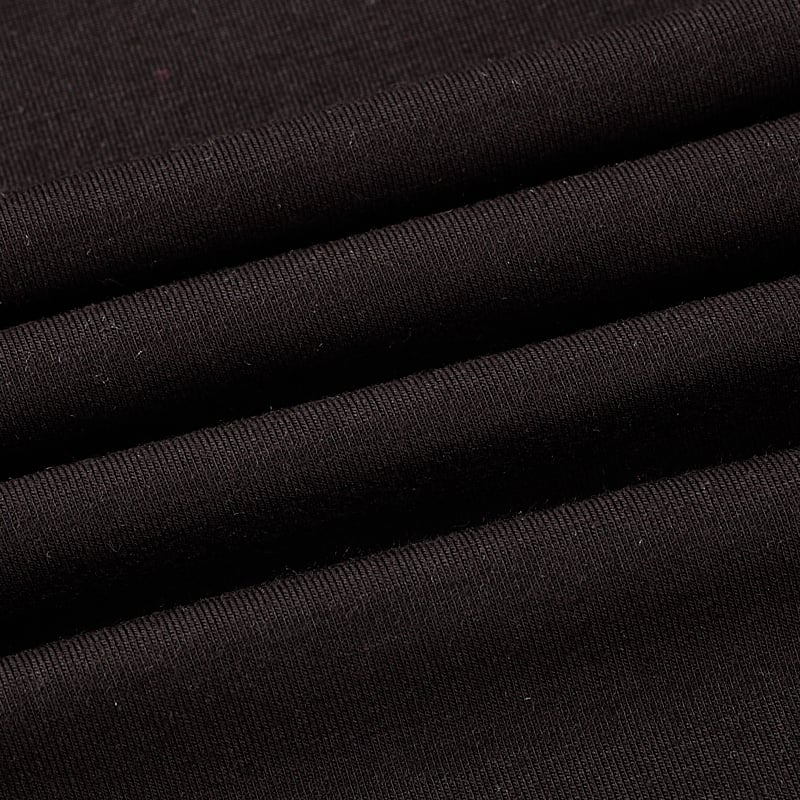
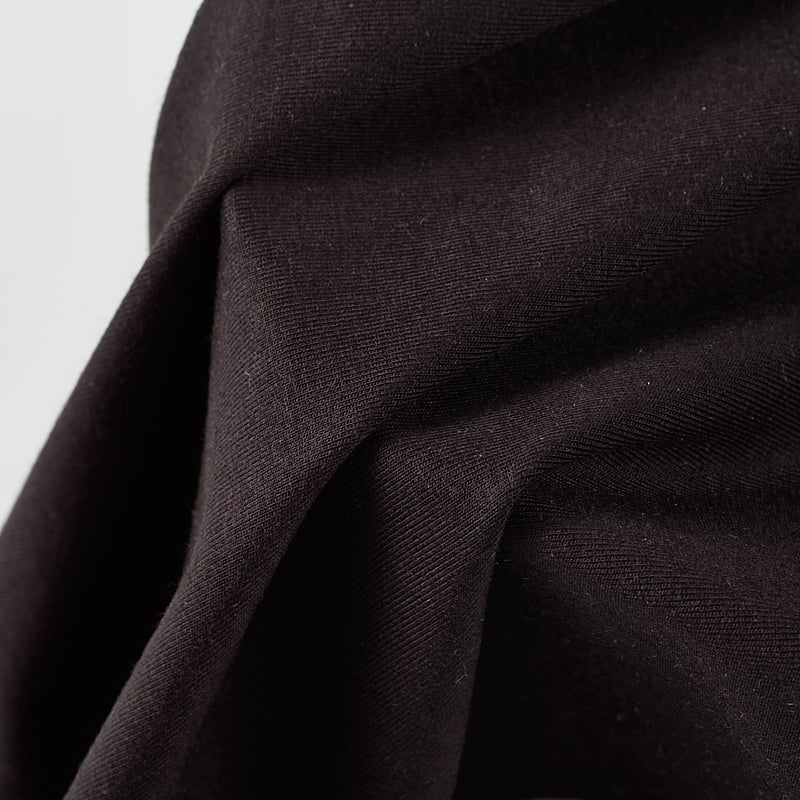
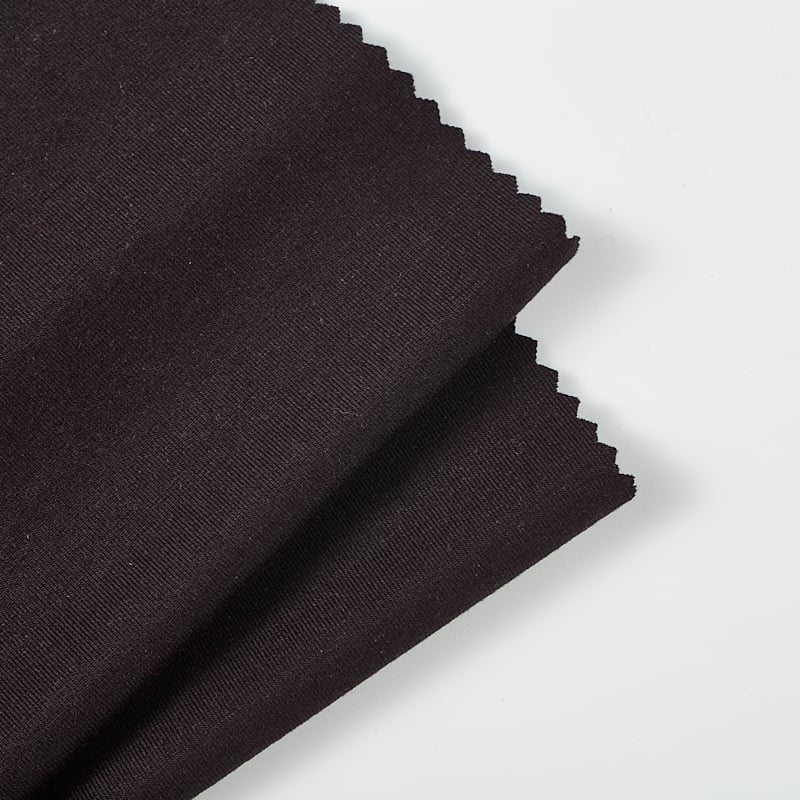
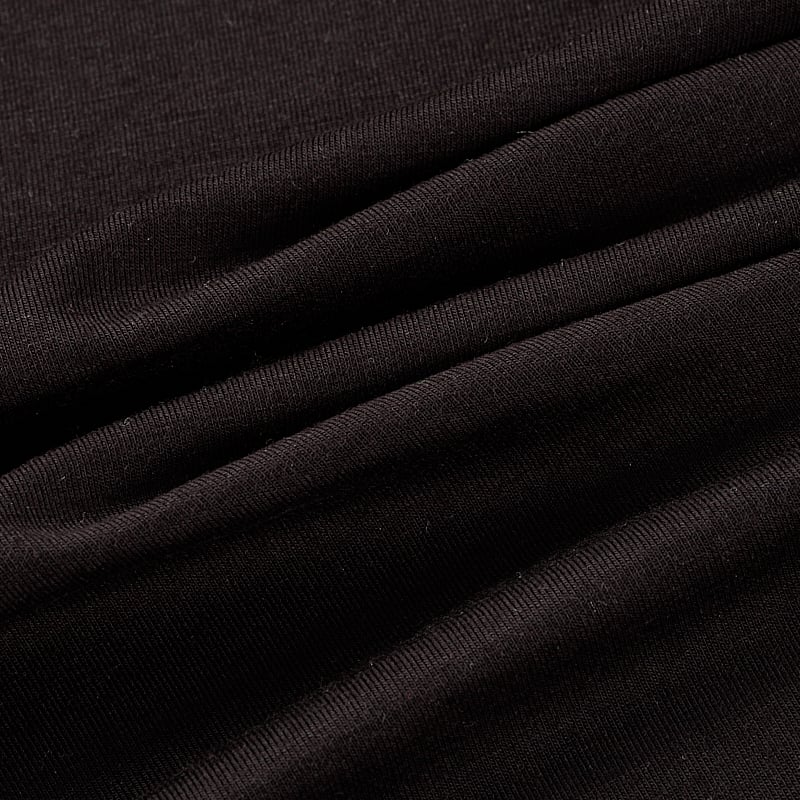
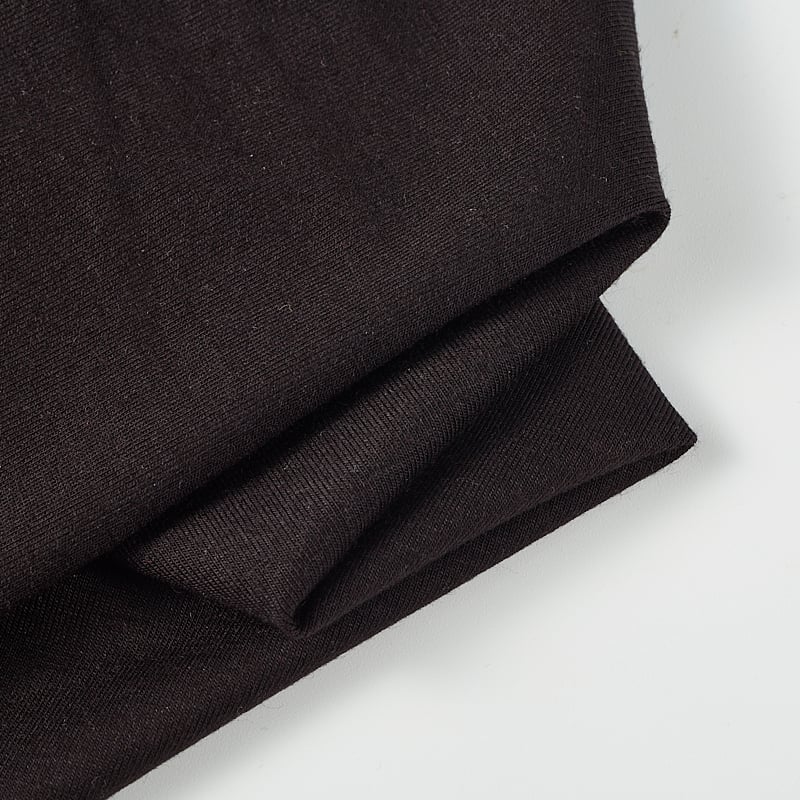
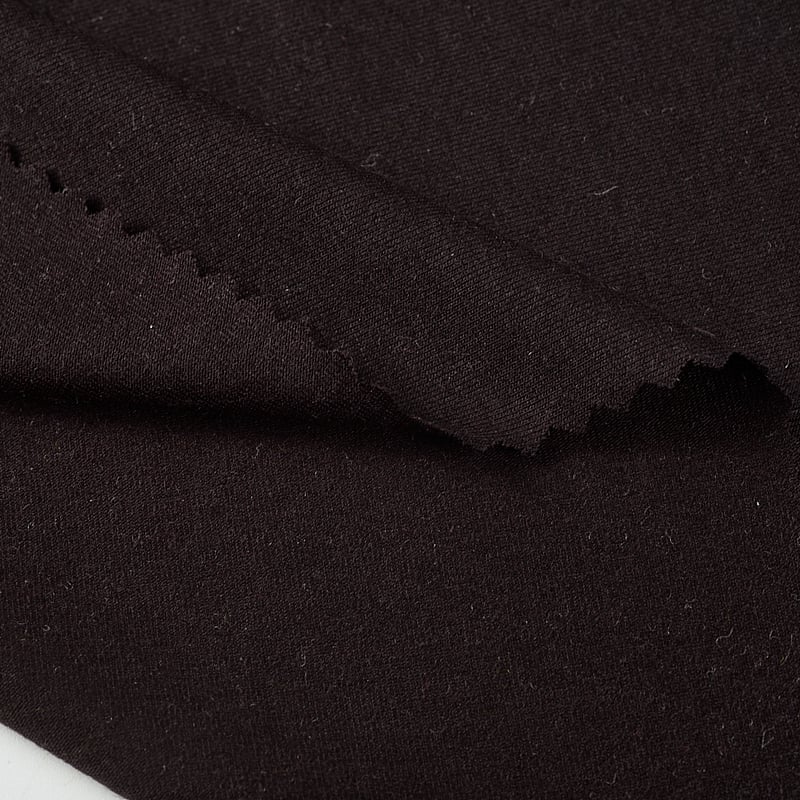
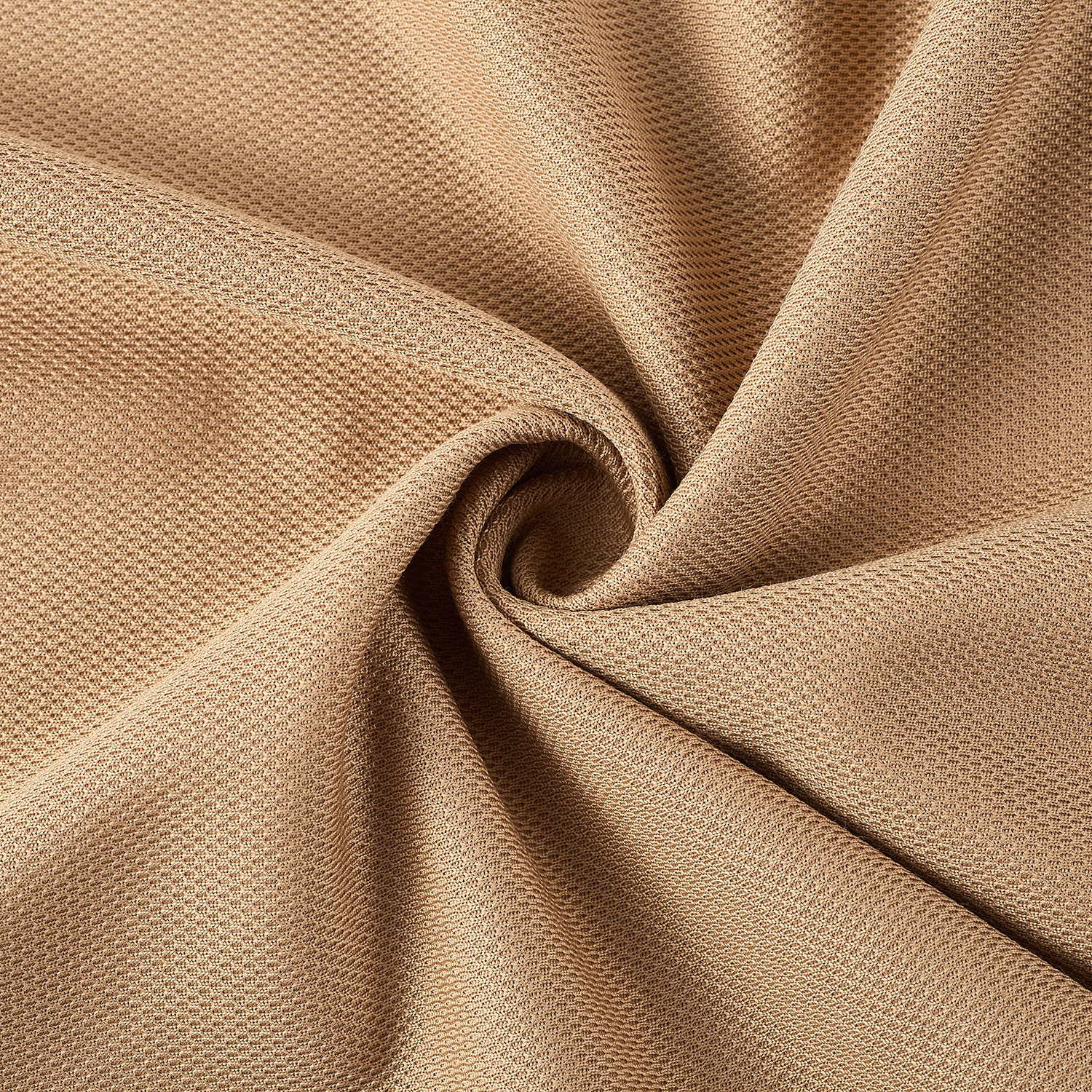
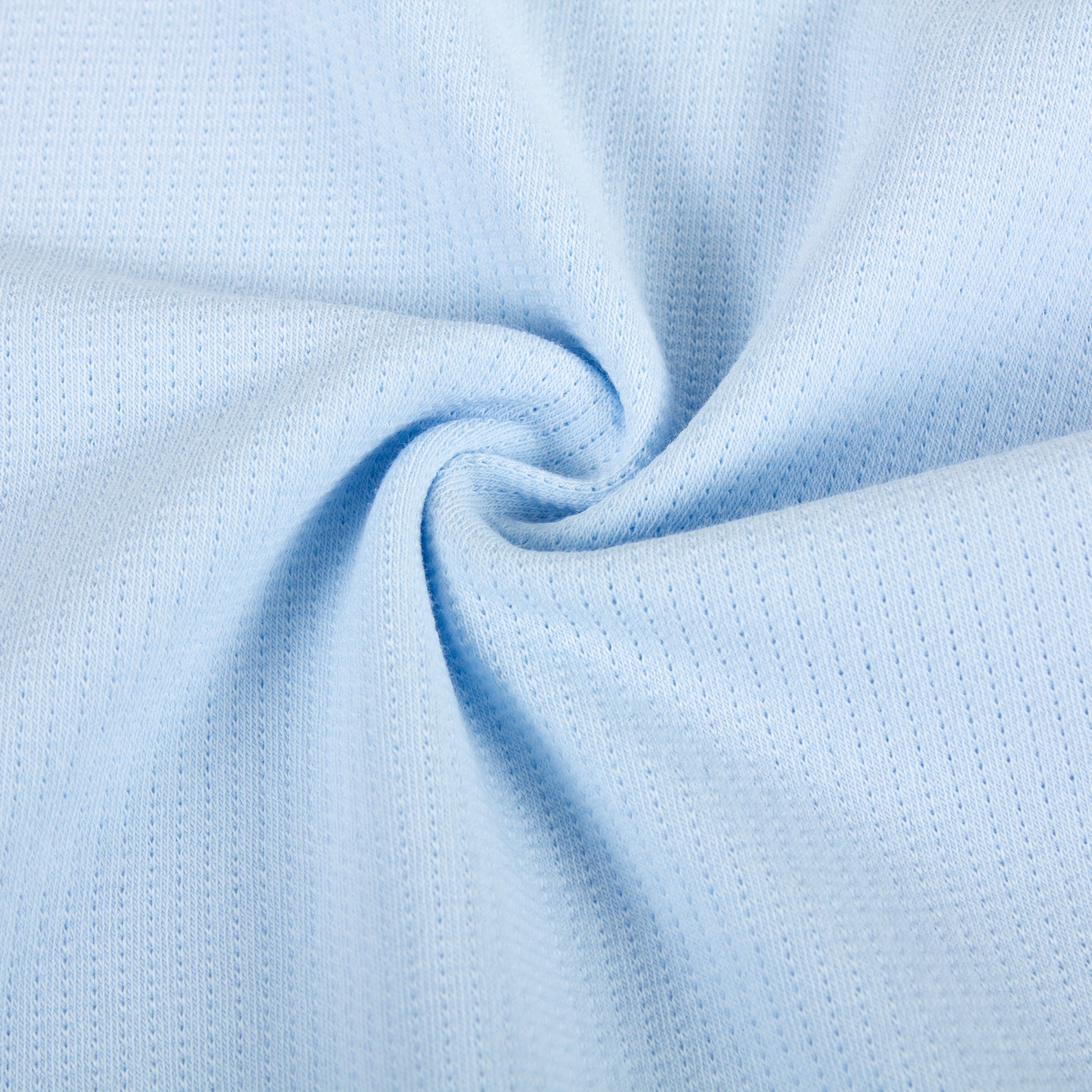
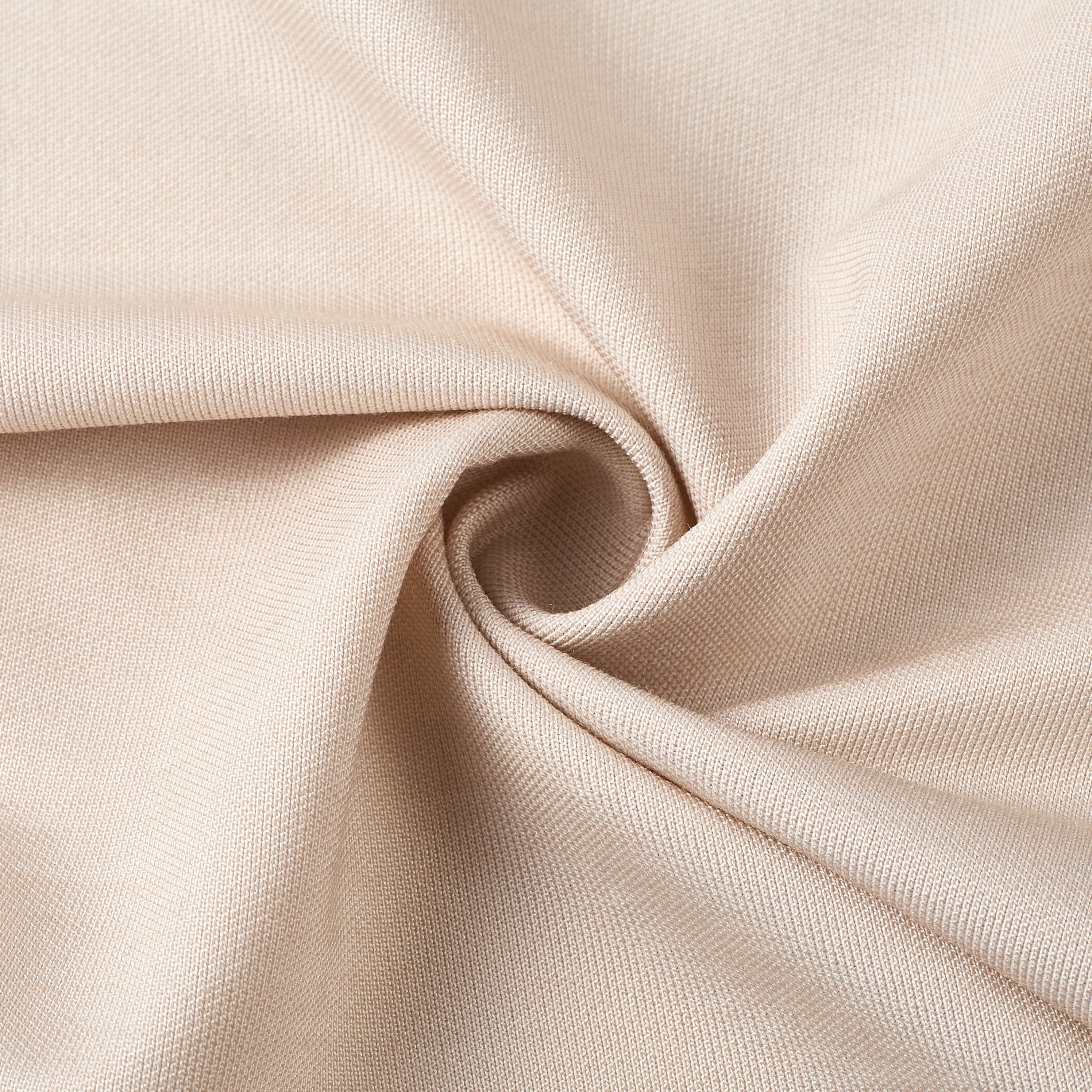
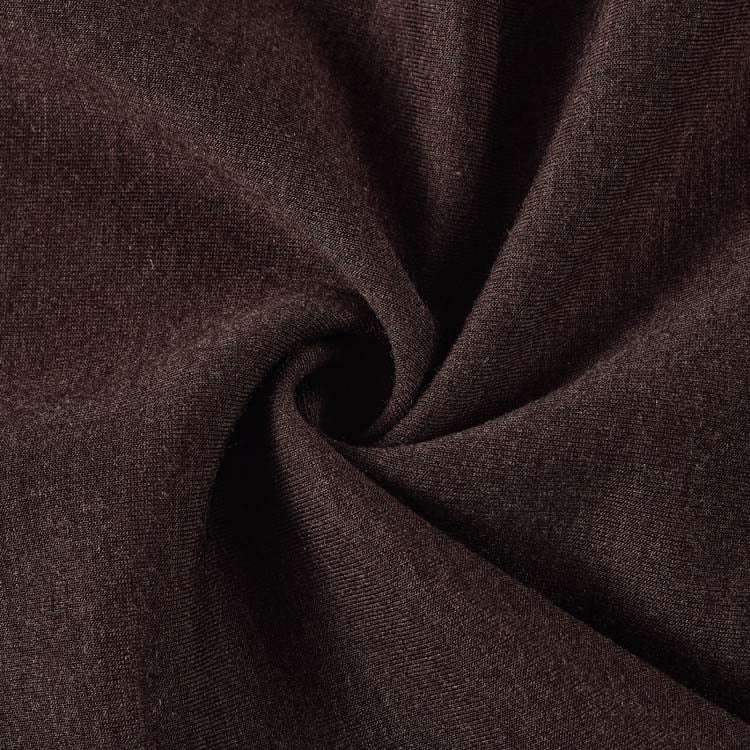
165GSM 91% Wool 9% Spandex Knit Fabric Lightweight Stretch Wool Knitted Textile for Thermal Underwear
Composition: 91% Wool, 9% Spandex — a high-purity wool spandex fabric that preserves the full natural thermal and tactile integrity of wool while delivering confident four-way stretch optimized for close-fitting thermal underwear.
Weight: 165 GSM, positioning this fabric as a lightweight thermal construction — engineered for next-to-skin base layer wear where warmth-to-weight ratio, layering efficiency, and wearing comfort must all be simultaneously maximized.
Construction: Knit fabrication providing a smooth, flexible surface with inherent dimensional elasticity, close body contouring, and the physical manageability essential for efficient thermal underwear production.
Stretch Performance: 9% spandex delivers robust four-way stretch with reliable elastic recovery — maintaining precise base layer fit and consistent skin-surface contact through a full day of varied activity.
Thermal Profile: 91% wool composition maximizes natural insulation and active thermoregulation, delivering genuine cold-weather warmth at a fraction of the weight of conventional thermal fabrics.
- Overview
- Recommended Products
1. Exceptional Warmth-to-Weight Ratio — Lightweight Construction, Maximum Thermal Output
The defining commercial and performance proposition of this wool spandex fabric is its ability to deliver genuine, effective warmth at just 165 GSM — a weight that positions it firmly in the lightweight category yet provides thermal performance that heavier synthetic base layer fabrics frequently fail to match. This apparent paradox is explained entirely by the physics of wool fiber: each crimped wool filament traps a pocket of still air within its three-dimensional curl structure, and the 91% wool content of this fabric means that the entire fabric body is densely populated with these microscopic insulating air pockets. The cumulative effect is a lightweight knit that generates and retains body heat with a per-gram efficiency that no synthetic fiber can replicate. For thermal underwear applications, this warmth-to-weight performance is the most commercially critical specification: base layer consumers need warmth without bulk — garments that insulate effectively beneath outer clothing without adding physical weight, restricting layered movement, or creating visible bulk under fitted outerwear. This 165 GSM wool spandex fabric delivers precisely this balance, enabling brands to produce thermal underwear that performs as a genuine cold-weather base layer while maintaining the lightweight, close-fitting character that defines the category's best-performing products.
2. Active Thermoregulation — Intelligent Warmth That Adapts to the Wearer
What elevates this wool spandex fabric above all synthetic thermal underwear alternatives is not raw insulation output but the active, adaptive thermoregulation that only natural wool fiber provides. Synthetic base layers — polyester, nylon, acrylic — insulate passively: they trap heat consistently regardless of the wearer's body temperature or activity level, creating overheating discomfort during exertion and insufficient warmth during prolonged static cold exposure. Wool's fiber biology operates fundamentally differently. The wool fiber absorbs moisture vapor — including body heat carried in perspiration — into its internal cortex structure when the body is warm and active, actively removing excess heat from the skin surface and preventing the clammy overheating that forces layered thermal wearers to remove garments during activity. When activity ceases and body temperature drops, the fiber releases this stored thermal energy back toward the skin, maintaining warmth without requiring additional layering. This continuous, autonomous thermal adjustment cycle — operating entirely through fiber physics rather than electronic sensors or phase-change chemistry — keeps the base layer wearer in a comfortable thermal window across the dramatically varied activity levels and environmental temperatures of a typical cold-weather day. For brands positioning in the outdoor, winter sports, or premium thermal categories, this active thermoregulation is the performance narrative that most powerfully differentiates genuine wool thermal underwear from synthetic commodity base layers.
3. High Stretch Engineered for Base Layer Fit Precision
The 9% spandex content in this wool spandex fabric is specified at a level that directly addresses the most demanding performance requirements of close-fitting thermal underwear construction. Base layers occupy the innermost garment position — worn directly against the skin beneath all other clothing — meaning fit precision, freedom of movement, and positional stability are all simultaneously critical. The 9% spandex delivers the stretch power needed for the fabric to conform closely to the body across all surface areas without creating pressure, resistance, or restriction at any point in the movement range. Equally important is the recovery: the elastic recovery is strong and consistent, ensuring that the base layer maintains its close-fitting contact with the skin through hours of layered wear and repeated cycles of activity and rest. This consistent skin contact is essential to thermal underwear function — a base layer that bags, shifts, or loses its close fit creates thermal dead zones and cold spots that directly undermine the garment's insulating effectiveness. The knit construction further reinforces this stretch-fit stability, distributing stretch tension evenly across the fabric surface and preventing the localized deformation at high-wear zones — inner thighs, underarms, knees — that compromises both the fit performance and the garment longevity of lower-quality thermal base layers.
4. Natural Moisture Management & Odor Resistance for Extended Wear
Wool's moisture management capability is a performance dimension that is often underappreciated in thermal underwear marketing but is consistently decisive in end-consumer wearing experience evaluation. The fiber can absorb up to 30% of its own weight in moisture vapor without feeling wet at the surface — drawing perspiration away from the skin into the fiber interior through a physical adsorption process that prevents moisture accumulation at the skin surface during physical activity. This active moisture removal keeps the skin dry and comfortable even during the exertion phases of cold-weather activity, preventing the wet, cold chill that synthetic base layers generate when perspiration accumulates and then evaporates against the skin in cold air. The natural odor resistance that accompanies this moisture management mechanism — derived from wool's ability to chemically bind odor-causing compounds within its fiber structure — further extends the practical wearing comfort of garments made from this fabric, reducing washing frequency and supporting the multi-day wear practicality that outdoor and travel-use thermal underwear consumers specifically seek.
5. Authentic Premium Fiber Positioning for High-Value Thermal Categories
The 91% wool content of this fabric provides one of the most commercially powerful premium positioning credentials available in the thermal underwear market. Wool is universally recognized by consumers globally as the authentic, premium natural insulating fiber — a recognition built over centuries of use and reinforced by the enduring performance reputation of wool base layers in outdoor, military, and luxury thermal applications. For B2B buyers developing product ranges that must justify premium retail price points, support premium brand narratives, or differentiate from the commodity polyester base layer market, the 91% wool specification provides an immediately communicable, consumer-credible material credential that synthetic alternatives — regardless of their technical performance claims — simply cannot replicate. This premium fiber identity is not a marketing abstraction: it is grounded in the genuine thermal performance, active thermoregulation, and natural wearing comfort that 91% wool content delivers, and it is a positioning asset that translates directly into higher perceived value at retail and stronger consumer purchase intent in premium base layer market segments.
Thermal Underwear & Base Layer Sets: The primary application — lightweight warmth, 9% spandex stretch, and active thermoregulation produce thermal tops and base layer leggings that perform as genuine cold-weather underwear with the close fit and wearing comfort the category demands.
Winter Sports Base Layers: Active moisture management, adaptive thermoregulation, and stretch-fit stability make this fabric ideal for skiing, snowboarding, hiking, and winter outdoor activity base layers worn beneath insulating mid-layers and outerwear.
Cold-Weather Fitness & Active Base Layers: Four-way stretch and breathable moisture management support fitted base layers for cold-weather running, cycling, and outdoor training where warmth and unrestricted movement must coexist.
Everyday Cold-Weather Underlayers: Lightweight construction and close-fitting drape support discreet everyday thermal underlayers worn beneath work attire, casual clothing, and professional dress in cold indoor and outdoor environments.
Premium Wool Thermal Collections & Private Label Programs: The 91% wool specification provides the authentic fiber credential and premium positioning that supports higher-value retail programs, wool-certified collection development, and private label thermal underwear initiatives targeting quality-conscious consumer segments.
General Product Information | |
Place of Origin: |
China |
Brand Name: |
EASTOTEC |
Model Number: |
YT050-7C |
Certificate: |
GRS,GOTS,OEKOTEX |
Product Business Terms | |
Minimum Order Quantity: |
1000 Meters |
Packaging Details: |
Roll packing |
Delivery Time: |
10-15 Days |
Payment Terms: |
T/T, L/C |
Service : |
Customized Services |
Product Specifications | |
Composition: |
91% Wool 9% Spandex |
Width: |
175CM |
Weight: |
165GSM |
Yarn Count: |
80Nm/30D |
Use: |
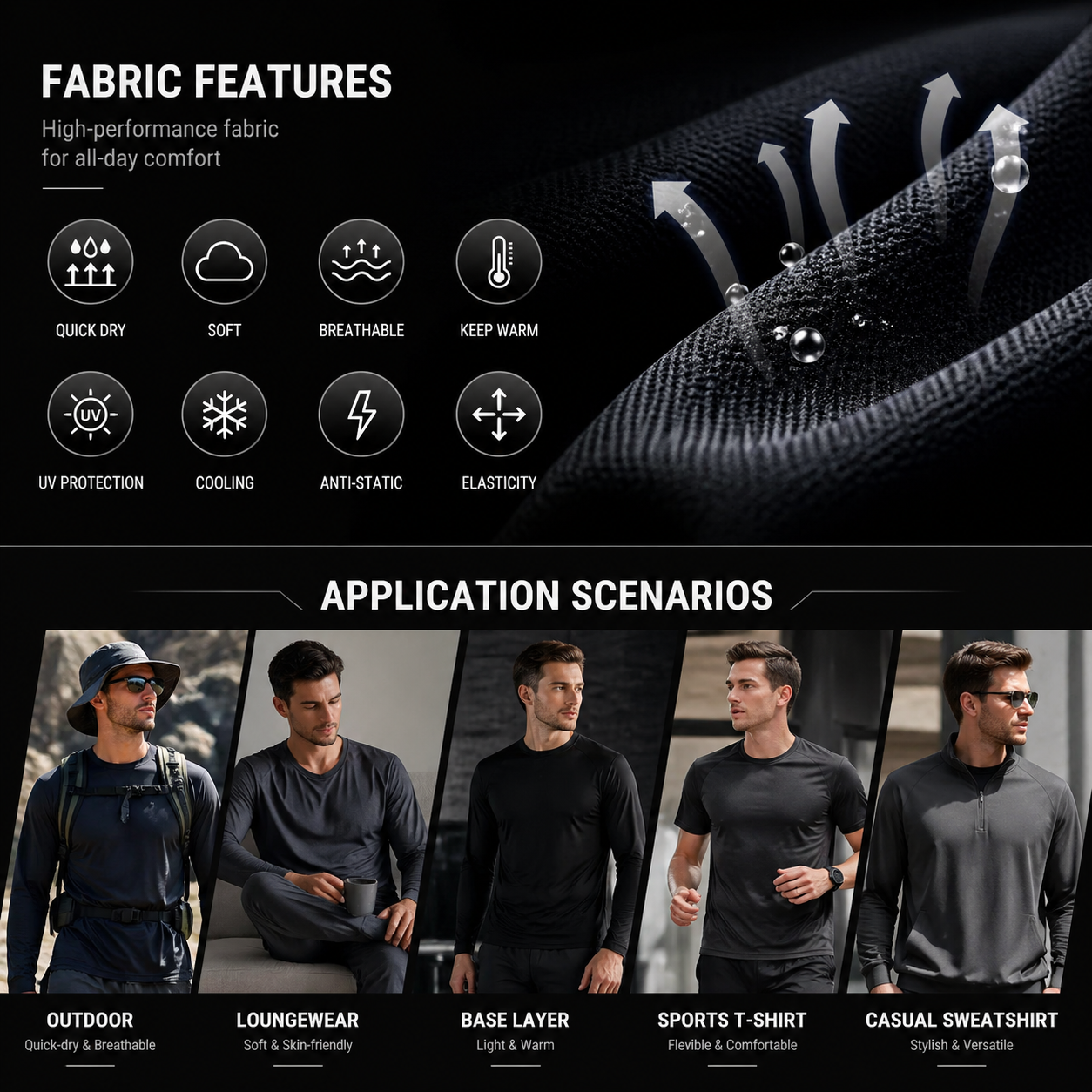
Garment, T-Shirts,Loungewear,Sportswear,Underwear |
Q1: What is the minimum order quantity (MOQ) for this wool spandex fabric?
MOQ is determined by colorway selection, finish specification, and total order volume. Please contact our sales team directly with your project requirements to receive a tailored quotation and production lead time confirmation suited to your thermal underwear program.
Q2: What wool grade and fiber diameter specifications are available for this fabric?
We can provide full fiber specification documentation including wool grade, average fiber diameter (micron count), and sourcing origin. For brands requiring certified fine or superfine merino specifications — which maximize skin softness and minimize itching in direct-skin-contact thermal underwear applications — or specific certifications such as Woolmark, ZQ Merino, or Responsible Wool Standard (RWS), please advise at the inquiry stage so we can align supply accordingly.
Q3: How does 165 GSM wool compare to heavier synthetic thermal fabrics in actual warmth output?
Wool's warmth-to-weight efficiency significantly outperforms synthetic alternatives at equivalent GSM. The 91% wool content of this fabric generates effective insulation through natural fiber crimping and air-trapping that synthetic fibers cannot replicate at this weight. Additionally, wool's active thermoregulation — absorbing and releasing heat dynamically — provides a more comfortable and adaptable thermal experience than the passive insulation of polyester or acrylic alternatives. For most cold-weather base layer applications, 165 GSM wool provides warmth comparable to significantly heavier synthetic constructions.
Q4: Are pre-production fabric samples available before bulk ordering?
Yes. Pre-production samples are available upon request and are strongly recommended for thermal underwear fabric evaluation — the warmth output, stretch performance, surface softness, and lightweight hand feel of this wool spandex fabric are all most accurately assessed through direct physical testing before bulk commitment. Contact our sales team to arrange sample dispatch and confirm lead time.