
 EN
Why Certification Matters When Choosing Underwear Fabric
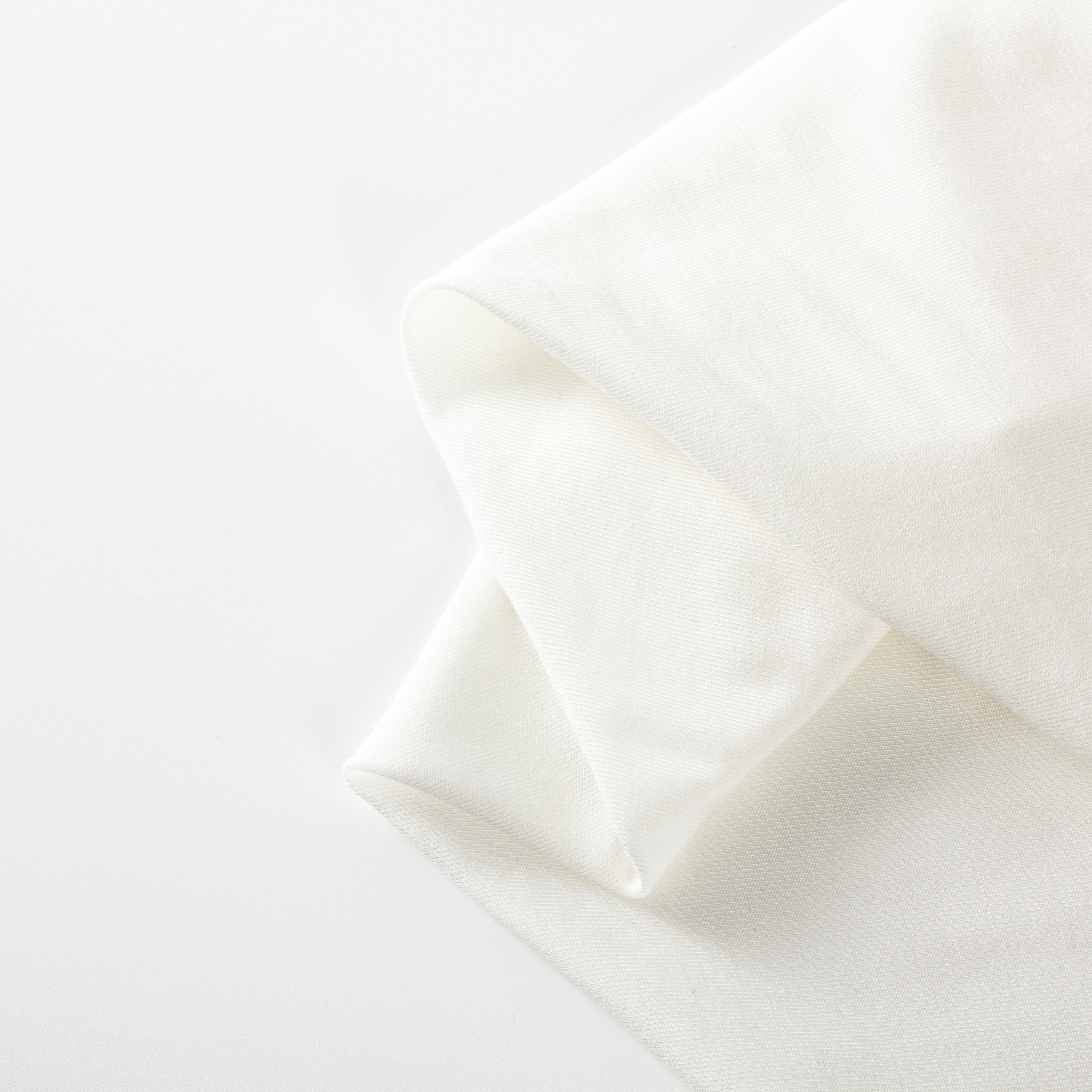
For intimate apparel brands, choosing underwear fabric is not simply a question of softness, color, or price. The fabric sits close to the skin for long periods, moves with the body, and is expected to remain comfortable after repeated washing. That is why certification and production traceability have become practical purchasing considerations for buyers developing underwear, briefs, panties, camisoles, base layers, and sleepwear. At EASTOTEC, underwear fabric development is closely connected with fiber selection, knitting structure, finishing, color control, and the intended end use. Our product range includes cotton, modal, spandex, bamboo, viscose, nylon, and blended knitted fabrics, with certified options including OEKO-TEX, GOTS, and GRS depending on the specific fabric and material composition. OEKO-TEX STANDARD 100 is particularly relevant to intimate apparel because its testing approach evaluates textiles for harmful substances and applies stricter requirements according to the level of skin contact. For a brand selling underwear in different markets, this type of certification can make material selection more transparent and easier to document. GOTS has a different scope: it addresses certified organic fibers and requirements across textile processing and manufacturing. GRS is relevant when recycled materials and responsible processing are part of a product's sourcing strategy. In practice, buyers should always check the certificate scope for the exact fabric rather than assuming that one factory certificate automatically covers every product. This is an important part of responsible sourcing and one we discuss with customers before bulk production begins. A useful underwear fabric should therefore combine the right tactile properties with documentation that matches the brand's compliance needs.
How Fiber Selection Changes the Wearing Experience
The best underwear fabric depends heavily on what the garment is expected to feel like during an ordinary day. A lightweight cotton and spandex jersey can work well for everyday briefs because cotton provides a familiar natural hand-feel while spandex helps the garment follow body movement. EASTOTEC, for example, offers a 160 GSM 95% cotton and 5% spandex knitted fabric designed for underwear, T-shirts, loungewear, and sportswear. The combination is practical for brands that want a soft everyday fabric without making the garment feel overly technical. For a more luxurious underwear fabric, modal blends can create a smoother hand-feel and fluid drape. One of EASTOTEC's listed options combines 45% modal, 45% cotton, and 10% spandex in a 180 GSM plain knit, giving buyers another route when softness, stretch, and a more refined appearance need to work together. In real product development, the difference becomes obvious when fabrics are tested as finished garments rather than only inspected on a roll. A fabric that feels excellent in the hand may behave differently around a waistband, leg opening, gusset, or curved seam. This is why we normally consider fabric weight, width, yarn count, stretch direction, recovery, surface feel, and garment construction together. For premium loungewear and sleepwear, a softer underwear fabric may be more important than strong compression. For performance underwear, a brand may prefer a blend with more stretch and moisture-management characteristics. The same logic applies to lifestyle collections: a cotton-rich underwear fabric can also move into relaxed homewear, while a stretch modal fabric can support camisoles and close-fitting base layers. Material choice should follow the garment's real use rather than a generic claim that one fiber is universally better.
What Quality Control Looks Like Before Bulk Production
A reliable underwear fabric supplier needs more than a catalog of compositions. Buyers need a process that reduces surprises between sample approval and bulk delivery. Our development workflow begins by understanding the intended use, target weight, fiber composition, color, hand-feel, quantity, and production schedule. Depending on the project, a customer may select an existing knitted base or request a new development. Color is then checked through laboratory dips or other sample approval stages before bulk production. Once the specification is confirmed, production quality control focuses on practical points such as fabric weight, width, color consistency, surface appearance, stretch behavior, and color fastness. For underwear fabric, dimensional stability is particularly important because even a small change in fabric behavior can affect the finished garment's fit. Finishing and heat-setting therefore need to be considered alongside knitting rather than treated as an afterthought. We also recommend that buyers test the actual production fabric against their garment pattern before approving a large order. In one common development scenario, a brand may initially choose a very soft jersey for a new underwear collection, only to discover during garment sampling that the fabric needs slightly different recovery around the waist and leg openings. Adjusting the blend or finishing specification at the development stage is usually more practical than trying to correct the issue after bulk cutting. This is where experienced fabric development matters. Instead of selling a fixed composition as the answer to every project, a professional supplier should explain what the fabric can and cannot reasonably achieve and provide samples for evaluation.
Where Certified Underwear Fabric Fits in Modern Apparel Collections
The application range for certified underwear fabric is broader than traditional briefs and panties. A cotton-rich knit can become a comfortable everyday camisole, children's basic wear, relaxed homewear, or a premium T-shirt designed for frequent washing. Modal and spandex blends are suitable for brands creating soft sleepwear, seamless-looking base layers, fitted camisoles, and premium intimate collections where a smooth surface and flexible movement matter. For active consumers, stretch fabrics can also be developed into sports-intimate products that are worn during yoga, studio training, walking, or low-impact exercise. The important point is that the fabric should be selected according to the environment in which the finished garment will be worn. Someone wearing underwear beneath office clothing has different expectations from someone wearing a base layer during a workout. EASTOTEC's broader knitted fabric range also includes outdoor-oriented fabrics designed around quick drying, moisture transfer, cooling, and breathability, as well as leisure and thermal categories with different priorities. This makes it possible for a brand to develop a connected fabric collection rather than searching for unrelated suppliers for every apparel category. Sustainability can also be incorporated more carefully. GOTS-certified materials can support products where certified organic fibers are part of the brand's requirements, while GRS-certified options may be considered where recycled content is appropriate. These certifications should be communicated accurately on product pages and labels according to the applicable certificate and licensing requirements. For buyers, that distinction matters because sustainability claims should be traceable to the actual material and certified supply chain rather than used as general marketing language.
MOQ, Custom Development, and Building a Reliable Fabric Program
For brands planning a new underwear collection, MOQ should be discussed at the beginning rather than at the final purchasing stage. EASTOTEC's listed certified knitted fabrics commonly show a minimum order quantity of 1,000 meters, although the practical requirement can depend on the selected fabric, color, composition, and customization request. The company also provides customized fabric development, allowing buyers to discuss composition, weight, width, color, hand-feel, and application before production. A sensible development process usually starts with the garment concept and usage scenario, followed by fabric selection, color or Lab Dip approval, sample testing, bulk production, quality inspection, and shipment. This gives the buyer a clear decision path and reduces the risk of choosing a fabric only because its specification looks attractive on paper. From our production experience, the most successful fabric programs are usually built around repeatable specifications: the brand knows the target hand-feel, acceptable weight range, color standard, stretch requirement, and certification requirement before the next order is placed. That makes future replenishment easier to manage and helps keep the finished garments consistent across seasons. If you are sourcing certified underwear fabric for a new intimate apparel collection, share your target composition, fabric weight, application, color requirements, and estimated order quantity with our team. We can help evaluate a suitable knitted construction, arrange samples, and develop a practical specification for bulk production.