
 EN
EN
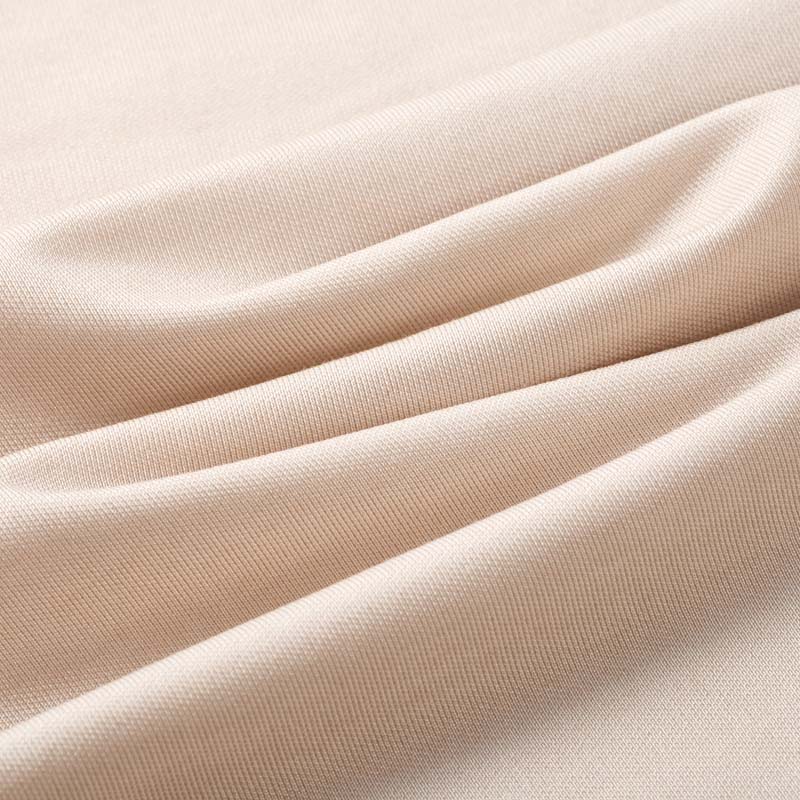
Why merino wool fabric leads the premium base layer segment
The base layer clothing market has shifted noticeably toward natural performance materials in recent years, and merino wool fabric sits at the centre of this movement because of its rare combination of warmth, breathability and odour resistance. When we work with outdoor and performance brands building high end base layer lines, they repeatedly mention the same challenge: finding a fabric that keeps the body comfortable during both high intensity activity and rest. Merino wool delivers temperature regulation that synthetic alternatives struggle to match, thanks to its fine fibre structure and natural moisture management. However, pure merino wool can feel delicate in high friction areas and may require careful care. This is why our blended customized merino wool fabric has become a preferred solution, combining the natural advantages of merino with synthetic yarns to improve durability and shape retention while keeping the skin friendly touch intact. Our team has accumulated rich experience developing base layer fabric for brands across Europe and North America, and we consistently advise balancing fibre properties rather than relying on a single material.
Balancing performance through careful yarn blending
A successful merino wool fabric for base layer clothing is rarely a single component product, and thoughtful blending unlocks better overall performance. Adding a percentage of nylon or polyester strengthens the fabric, improves abrasion resistance and helps garments maintain their shape through repeated wear and washing. Adding a small amount of elastane supports stretch and recovery, which matters for fitted base layers that need to move with the body. From our development records, we have built base layer fabric solutions ranging from a light merino blend for temperate weather to heavier options for cold season layering. The exact blending ratio depends on your target activity level, climate and comfort expectations. We invite brands to share their usage scenarios, such as alpine hiking, skiing, trail running or everyday urban commuting, so our technical team can tailor the merino wool fabric composition accordingly. This collaborative approach helps avoid the common mistake of ordering a generic blend that does not match the actual product purpose.
Sustainability and certification for premium merino wool fabric
Consumers of high end base layer clothing increasingly check the environmental story behind their garments, and responsible sourcing adds real value to merino wool fabric. Brands can choose responsibly sourced wool that meets animal welfare and land management expectations, while blending partners should be able to provide transparent supply chain information. In addition, our production facility supports recycled content through GRS certification, and organic options can be documented where applicable. OEKO-TEX Standard 100 certification is available to confirm that the finished merino wool fabric meets strict limits for potentially harmful substances, giving confidence for direct skin contact. We have observed that international outdoor brands frequently request these documentation sets to support their sustainability marketing claims. Offering certified merino wool fabric not only satisfies compliance requirements but also helps brands differentiate in a crowded premium segment. Buyers should verify that certification documents match the actual supplied batches, ensuring the claims made to end consumers remain accurate and transparent.
Real world considerations from base layer development projects
Through our cooperation with performance apparel developers, we have learned that testing conditions play a major role in evaluating merino wool fabric. Laboratory results may look excellent, but real world activity involves sweat, friction and repeated washing that reveal true performance. In one project with a European outdoor brand, initial samples performed well in standard lab tests, yet field trials during cold weather hiking exposed slight pilling on high friction areas. We responded by adjusting the yarn blend and finishing process, delivering improved samples that maintained comfort while gaining durability. This experience reinforces our belief that base layer fabric should be tested in conditions close to actual usage. We recommend brands conduct wear tests with representative users before committing to bulk production. Considering factors such as wash frequency, drying method and layering habits helps ensure the final merino wool fabric matches real consumer expectations. Transparent communication about intended use cases leads to better fabric choices and fewer surprises during product launch.
Practical guidance for sourcing your merino wool fabric
When planning a base layer collection, start by defining your performance priorities, target climate and desired certifications, because these factors guide every material decision. Small trial runs remain advisable before large scale production, allowing you to verify hand feel, colour fastness, shrinkage and overall quality across batches. Reliable fabric suppliers will share physical test reports and certification documents to support your evaluation. Our team provides custom development for merino wool fabric, covering blending ratios, weight, width and functional finishing, all aligned with high end base layer and sustainable brand positioning. We hold a library of proven merino blend recipes, weight range 160 gsm (ultra-light summer) to 280 gsm (heavyweight thermal), MOQ from 300 metres per colour.We also support OEKO-TEX, GOTS and GRS certified options to meet the expectations of international buyers. If you are developing a premium base layer line and need dependable merino wool fabric resources, please reach out to us for fabric swatches and detailed technical parameter documentation.