 EN
EN
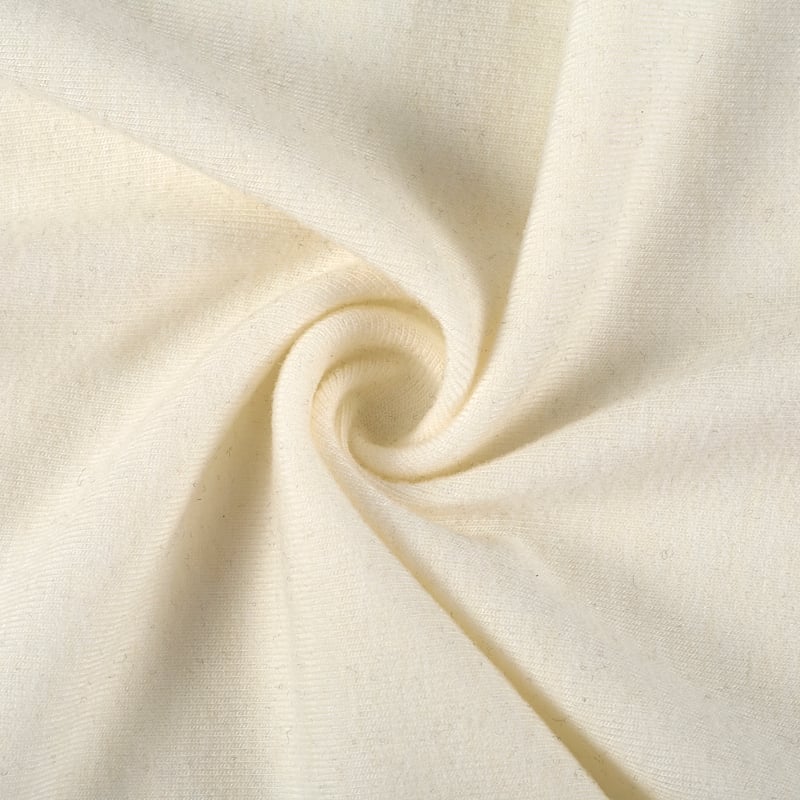
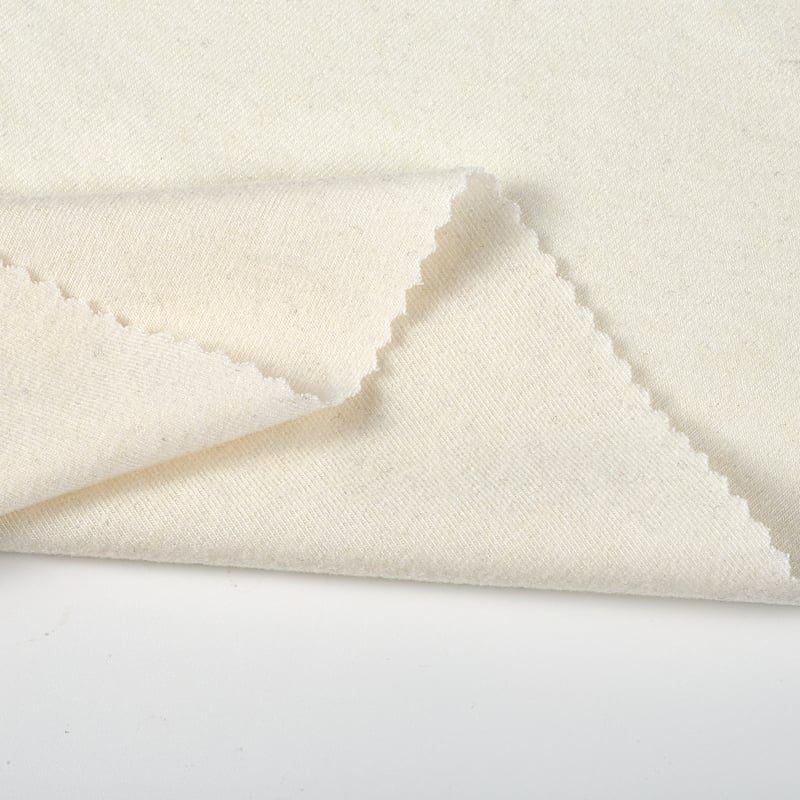
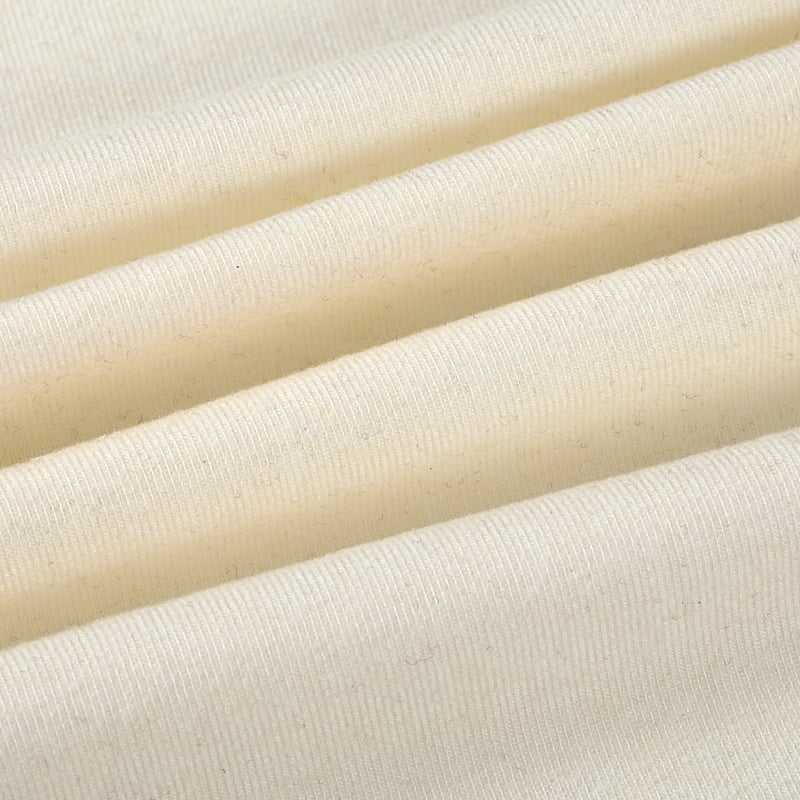
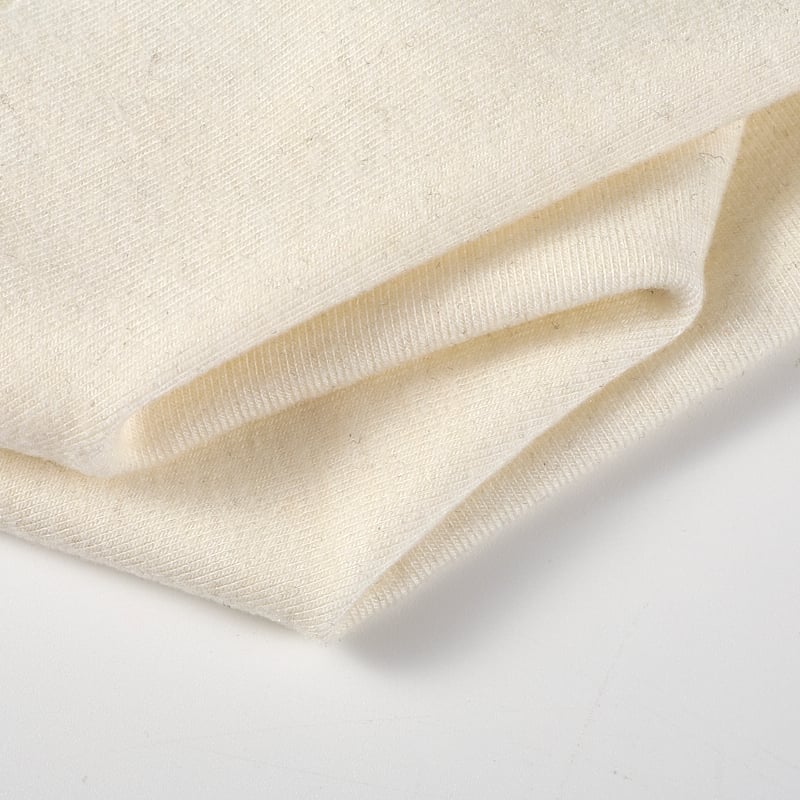
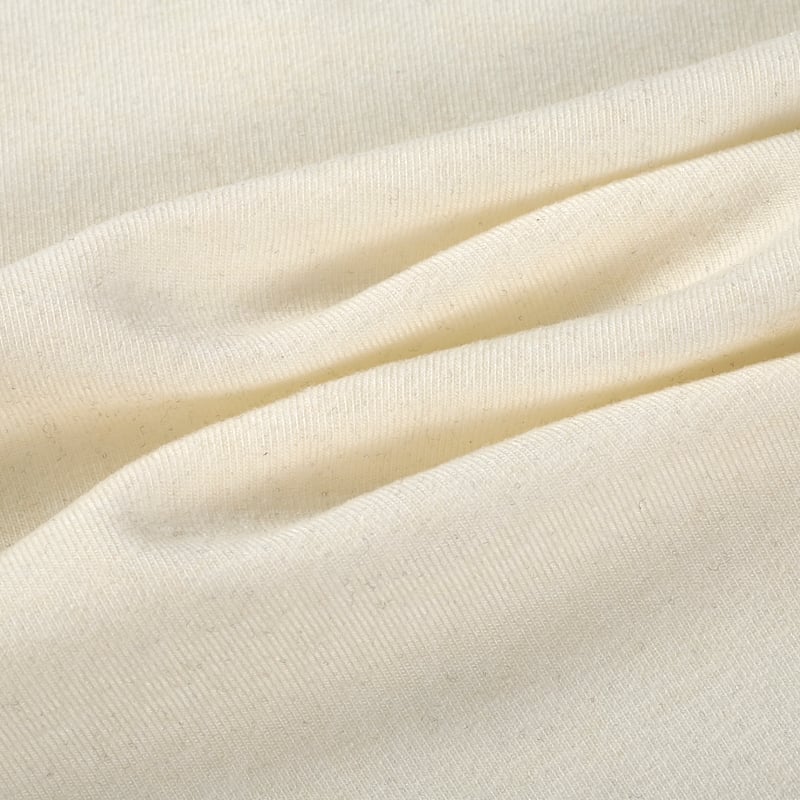
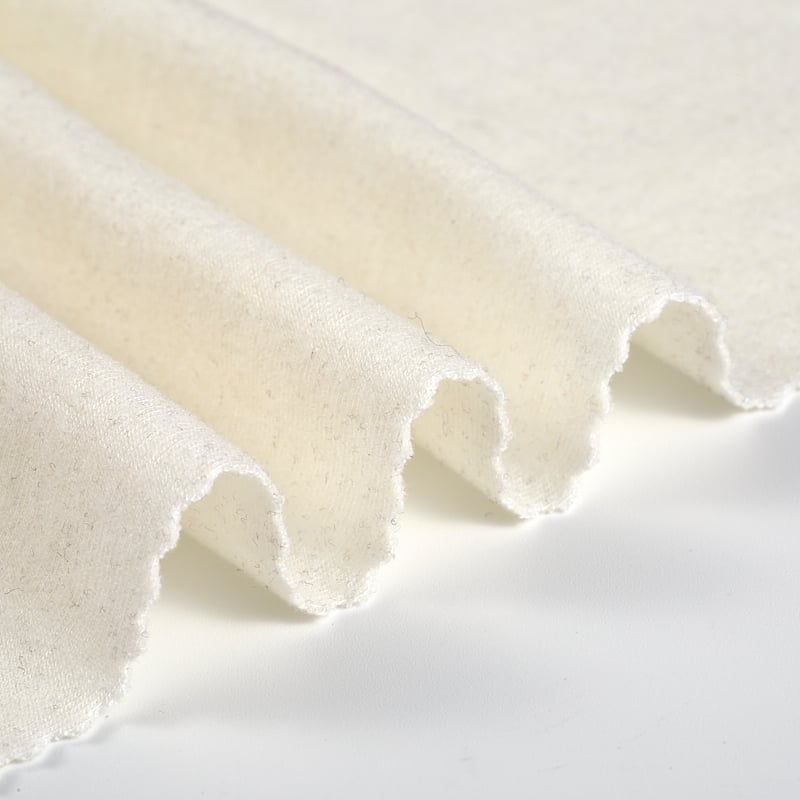
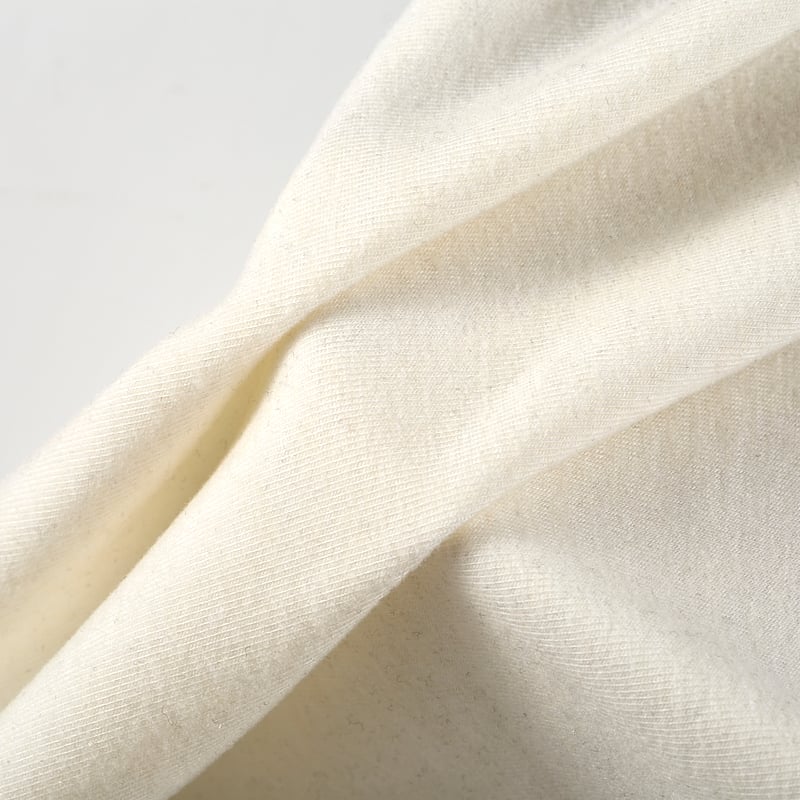
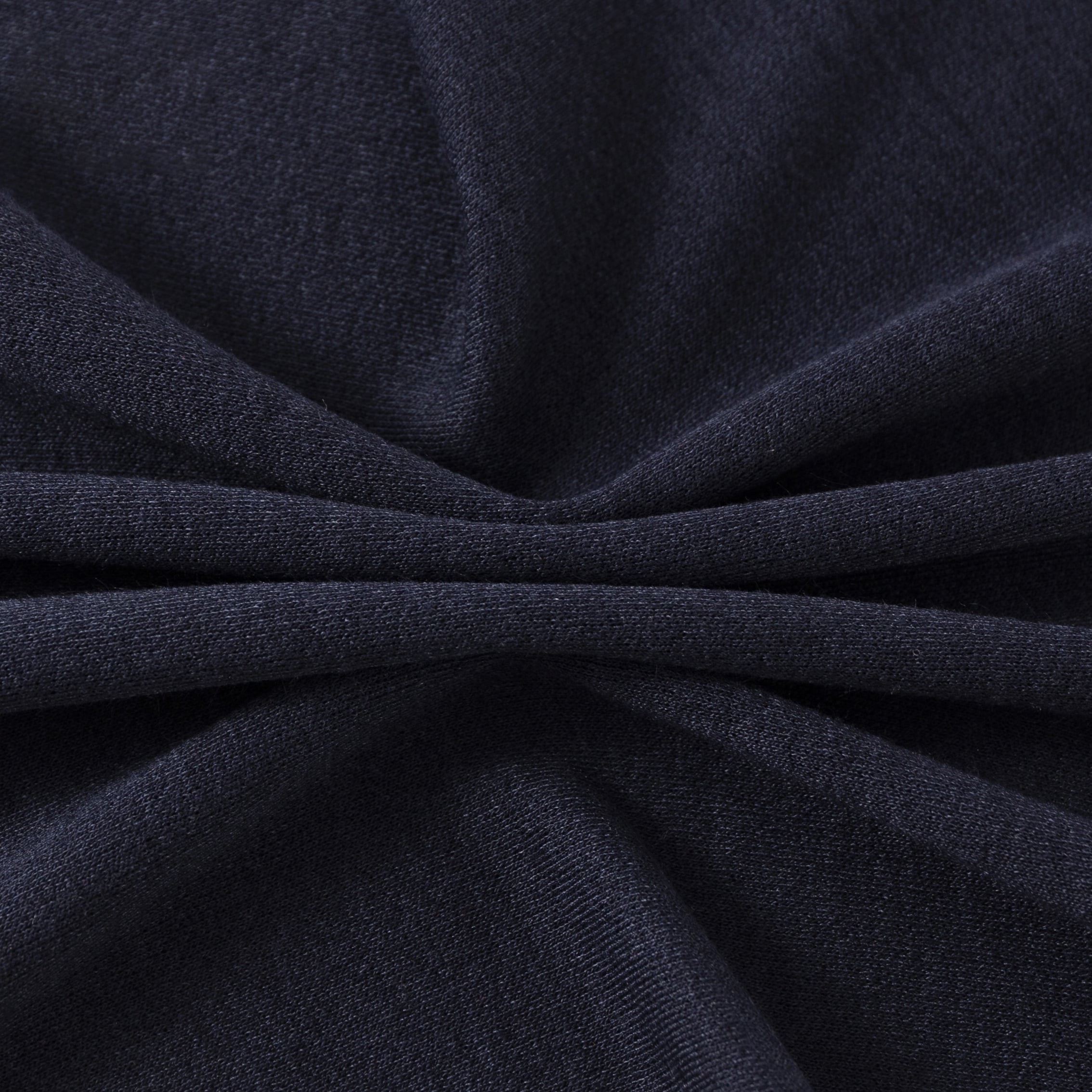
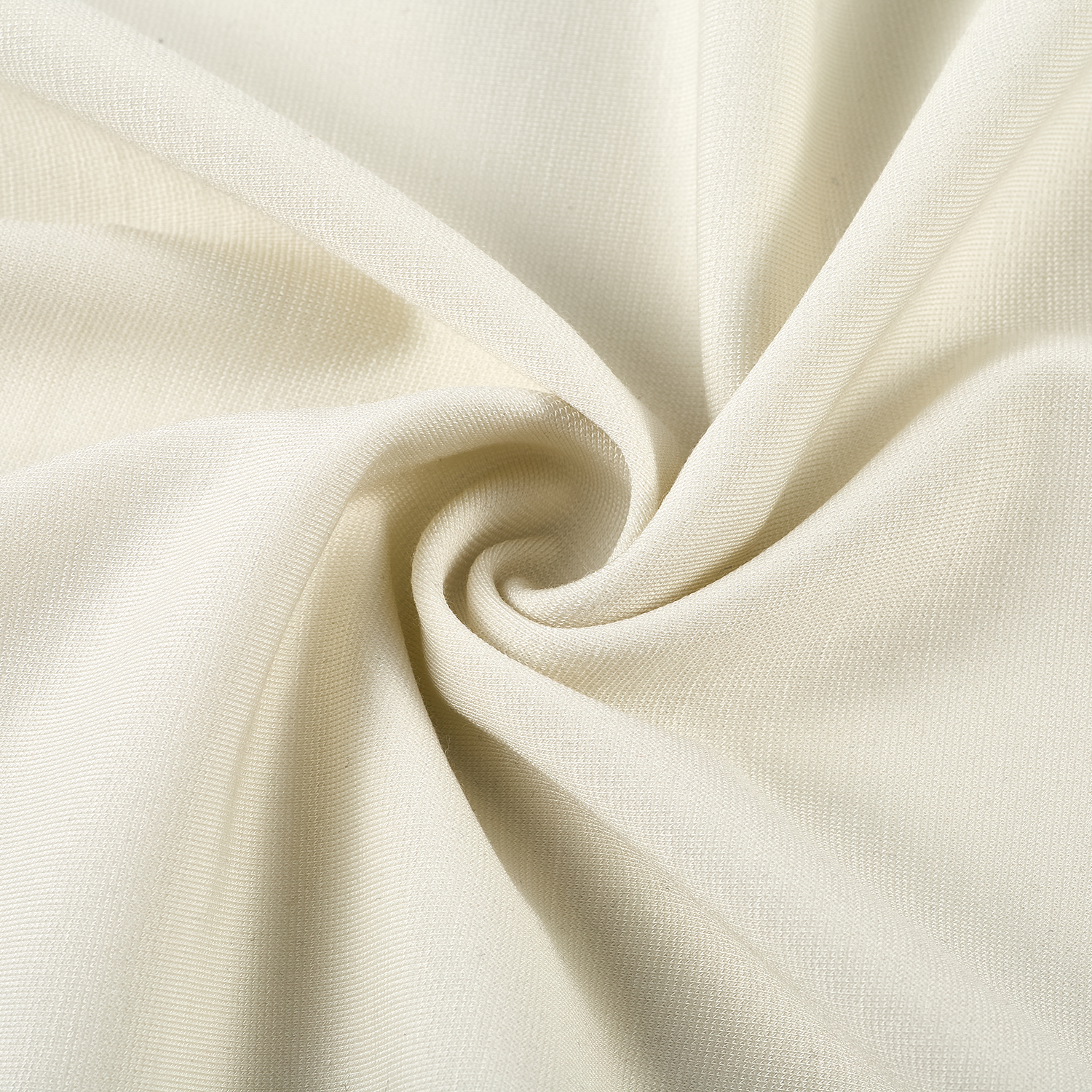
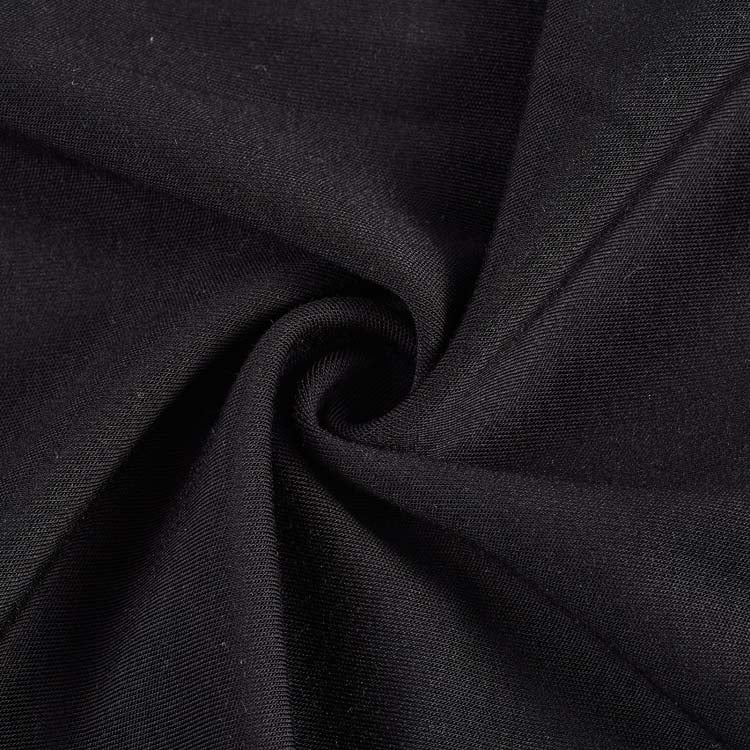
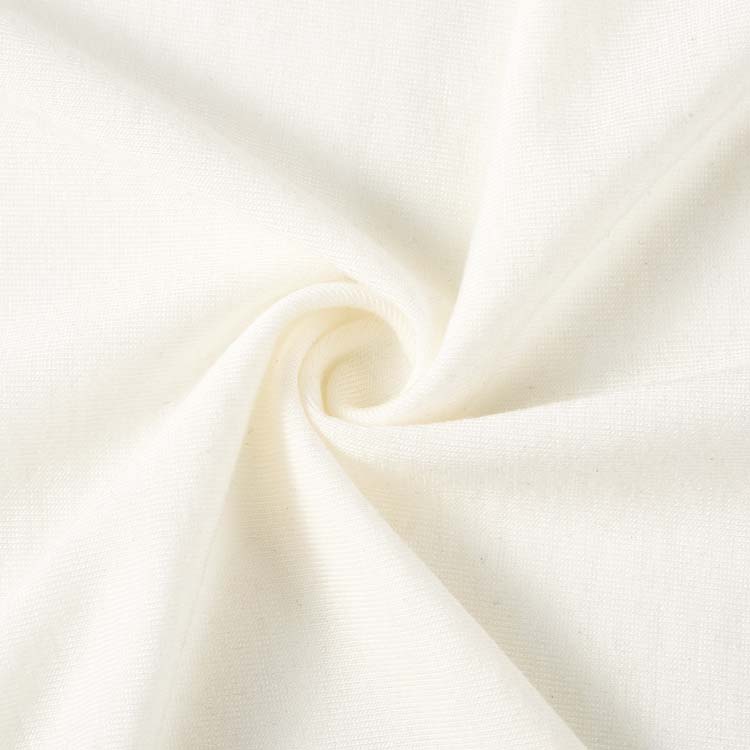
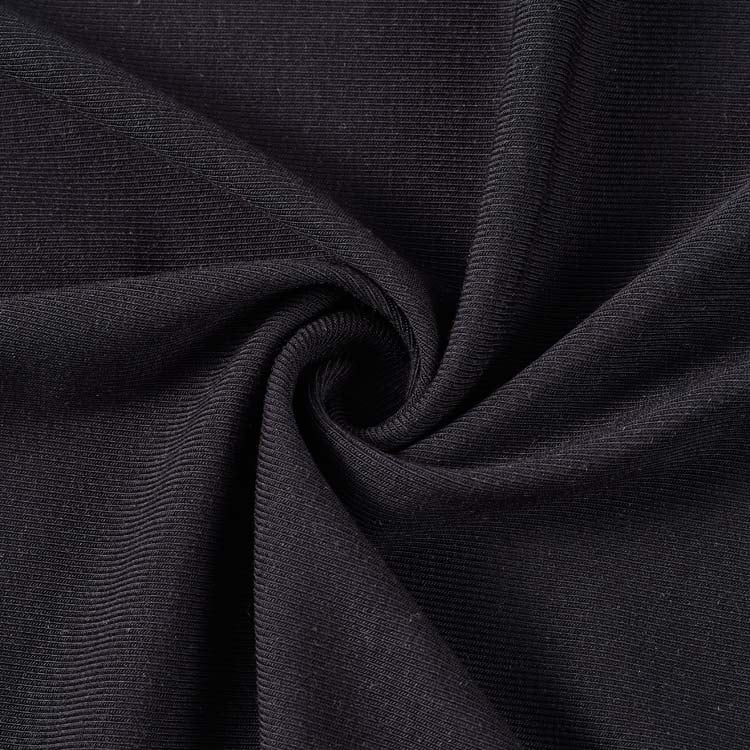
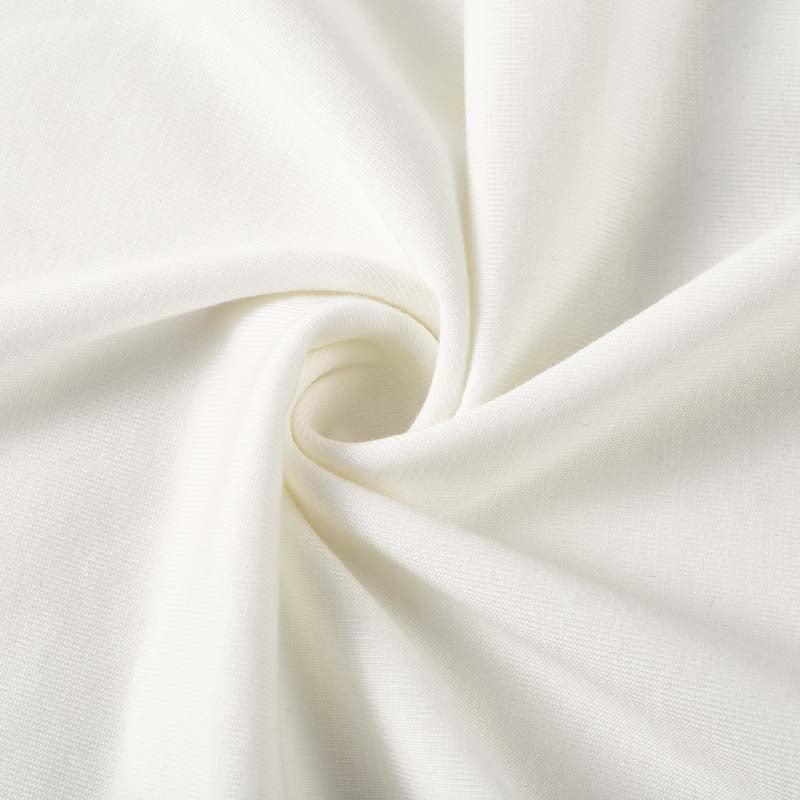
240GSM Lyocell Wool Blend Knit Fabric 75% Tencel 17% Wool 8% Spandex Rib Breathable Stretch Thermal Underwear Fabric
Composition: 75% Lyocell, 17% Wool, 8% Spandex — a high-performance lyocell blend fabric engineered to deliver natural warmth, active breathability, and confident stretch in a single thermal underwear construction.
Weight: 240 GSM, providing the substantive body and thermal density required for effective base layer and thermal underwear performance across cold-weather wearing conditions.
Construction: Rib knit structure for enhanced longitudinal elasticity, clean surface definition, superior body contouring, and excellent dimensional stability through repeated thermal wear and washing cycles.
Stretch Performance: 8% spandex delivers powerful four-way stretch with strong elastic recovery — purpose-built for the close-fitting, full-range-of-motion demands of thermal underwear applications.
Thermal & Breathability Profile: Wool content anchors natural heat retention and active thermoregulation; Tencel's open fiber structure ensures the base layer breathes freely and manages moisture effectively during active cold-weather wear.
- Overview
- Recommended Products
1. Powerful Stretch & Precise Recovery for Thermal Base Layer Performance
The 8% spandex content in this lyocell blend fabric is deliberately specified at a level that matches the demanding performance requirements of thermal underwear — a category where fit precision, freedom of movement, and long-term shape retention are all simultaneously non-negotiable. Thermal underwear is worn as a close-fitting base layer beneath additional clothing, meaning the fabric must conform accurately to the body's contours without creating bulk, restricting layered movement, or shifting out of position during active wear. The 8% spandex delivers exactly this: powerful four-way stretch that follows the body's movement in every direction — bending, reaching, crouching, and walking — without tension, resistance, or the bunching that undermines the comfort and layering efficiency of lower-stretch base layer fabrics. Equally important for thermal underwear is elastic recovery: the fabric must return precisely to its original dimensions after every stretch cycle, maintaining consistent close-fitting contact with the skin throughout a full day of wear across varied activity levels. The rib knit construction amplifies this recovery performance by adding inherent longitudinal elasticity through the stitch architecture itself, reinforcing the spandex recovery action and producing a base layer that holds its fit, maintains its silhouette, and delivers consistent thermal and comfort performance from the first wear to the hundredth.
2. Natural Wool Warmth with Active Thermoregulation
The 17% wool content is the thermal engine of this lyocell blend fabric, and its contribution goes beyond the simple insulation that weight alone could suggest. Wool's crimped, three-dimensional fiber structure creates air pockets within the fabric body that trap and retain body heat — generating a genuine warmth layer that performs effectively in cold-weather conditions without requiring additional insulation. At 240 GSM in a rib construction, this insulating effect is meaningfully amplified by the fabric density, making this thermal underwear fabric capable of providing real cold-weather protection as a standalone base layer. What makes wool's thermal performance categorically superior to synthetic insulation for underwear applications is its active thermoregulation: wool fibers respond dynamically to the wearer's body temperature, absorbing excess heat and moisture vapor during physical exertion and releasing stored warmth when the body cools — continuously calibrating the thermal environment at the skin surface to maintain comfort across the wide temperature and activity range that active cold-weather wearers experience. For thermal underwear worn through varied conditions — indoor warmth, outdoor cold, and the physical exertion of winter activities — this intelligent thermal self-adjustment is a performance advantage that no synthetic base layer fiber can authentically replicate.
3. Tencel's Breathability — Preventing the Overheating That Undermines Base Layer Comfort
One of the most common performance failures of thermal underwear is overheating: fabrics that insulate effectively in cold conditions but trap heat and moisture during physical activity, creating a clammy, uncomfortable microclimate that forces the wearer to remove layers or endure discomfort. This lyocell blend fabric resolves this limitation through its 75% Tencel base. Tencel (lyocell) fibers possess a highly efficient moisture absorption and vapor release cycle — drawing perspiration inward from the skin surface rapidly and releasing it as vapor through the fabric's open fiber structure before it can accumulate at the skin. This active moisture evaporation prevents the moisture buildup that causes overheating and the associated discomfort, keeping the base layer environment dry, fresh, and thermally balanced even during moderate exertion. The rib construction supports this breathability by maintaining airflow channels within the stitch architecture, ensuring that ventilation is not sacrificed for insulation. The result is a thermal underwear fabric that warms effectively in cold conditions and breathes actively during movement — the dual performance standard that defines genuinely functional base layer textiles.
4. Skin-Friendly Softness for Extended Direct-Contact Wear
Thermal underwear is among the most skin-proximate garment categories in the entire apparel spectrum — worn directly against the body, often for many consecutive hours, across the most sensitive and movement-active areas of the skin surface. This contact intensity makes the skin-friendliness of the base layer fabric not a desirable secondary feature but an absolute primary requirement. At 75% Tencel, this lyocell blend fabric delivers a surface of exceptional smoothness — the fine, uniform Tencel filaments create a face that is frictionless, hypoallergenic, and free from the surface irregularities that cause irritation, chafing, and the micro-abrasion discomfort that makes many thermal underwear fabrics difficult to wear for extended periods. The 17% wool content, carefully proportioned to contribute warmth without dominating the surface character, adds tactile warmth-to-the-touch without introducing coarseness. The combined surface behavior is soft, gentle, and consistently non-irritating — a permanent, intrinsic fiber property that does not degrade with washing and supports confident sensitive-skin and all-day-wear claims in retail marketing materials.
5. Eco-Certified Fiber Composition for Responsible Base Layer Manufacturing
Tencel, the branded lyocell fiber produced by Lenzing AG, is manufactured from sustainably certified wood pulp using a patented closed-loop solvent spinning process that recovers and recycles over 99% of the water and chemicals used — earning recognized eco-certifications and setting the standard for responsible man-made cellulosic fiber production globally. Wool, when sourced from Responsible Wool Standard (RWS) certified supply chains, adds a land stewardship, animal welfare, and natural biodegradability dimension that strengthens the overall sustainable profile of the blend. For brands developing eco-positioned thermal underwear lines, responsibly sourced base layer collections, or ESG-aligned activewear programs, this Tencel-wool foundation provides a credible, certification-backed sustainability narrative that resonates with environmentally conscious consumers and supports transparent supply chain communication.
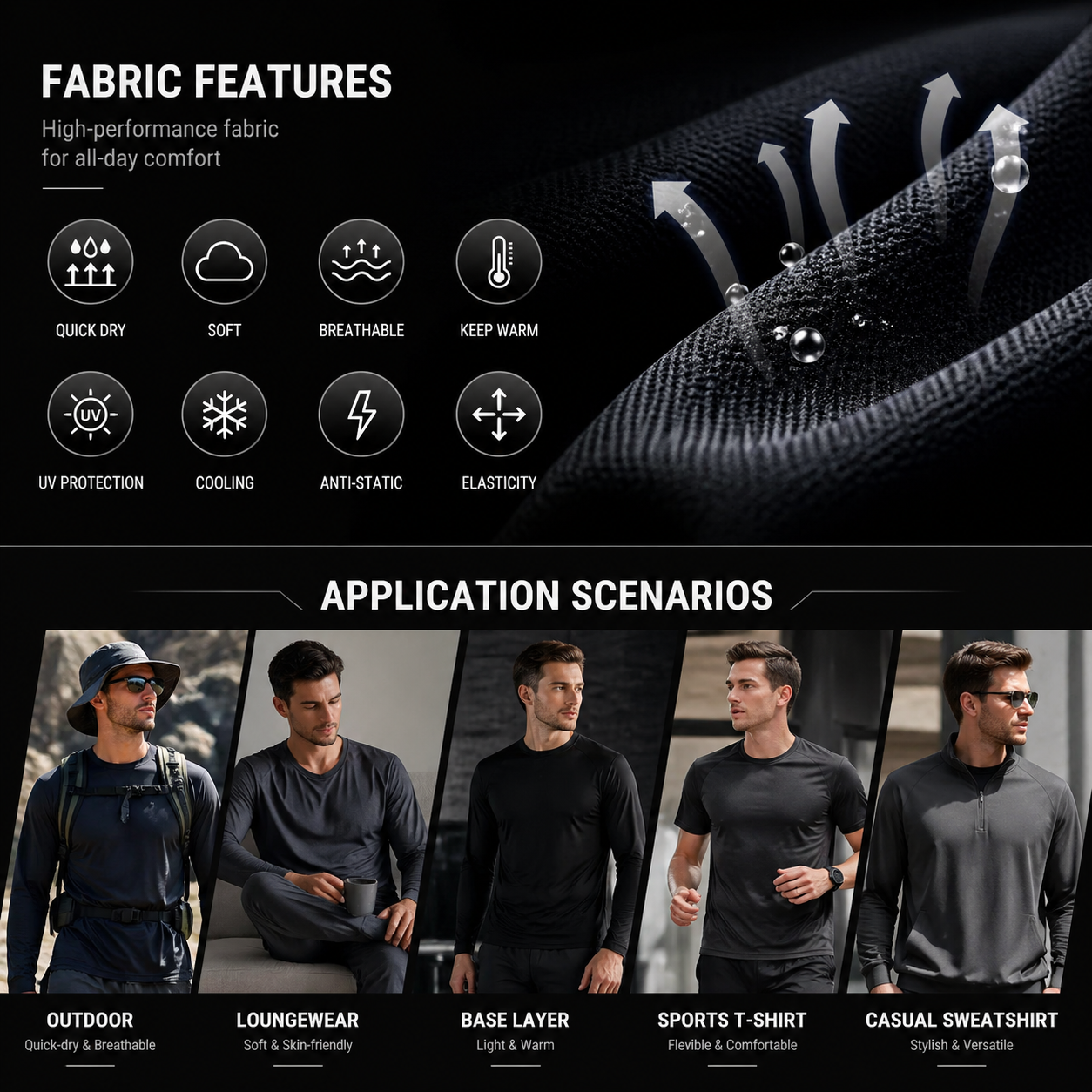
Thermal Underwear & Base Layer Sets: The primary application — rib stretch, wool warmth, and Tencel breathability combine to produce thermal tops, long-sleeve base layer shirts, and thermal leggings that perform as genuine functional cold-weather underwear.
Winter Sports & Outdoor Activity Base Layers: Active moisture management and stretch-fit performance support ski and snowboard base layers, hiking underlayers, and winter outdoor activity sets where warmth and breathability must coexist under outerwear.
Cold-Weather Yoga & Indoor Fitness Tops: Four-way stretch and moisture-wicking Tencel content translate naturally into fitted yoga tops, pilates base layers, and indoor fitness underlayers worn in cool studio environments.
Premium Thermal Loungewear & Homewear: Skin-friendly softness, natural warmth, and eco-fiber credentials support premium thermal loungewear tops, thermal pajama sets, and warm homewear basics for cold-season domestic comfort.
Sustainable Thermal Collections & ESG-Aligned Programs: The Tencel-wool eco-fiber composition provides direct material support for brands building certified sustainable base layer programs, responsible sourcing initiatives, or conscious-consumer thermal collections.
General Product Information | |
Place of Origin: |
China |
Brand Name: |
EASTOTEC |
Model Number: |
RS24B-4ZMZM |
Certificate: |
GRS,GOTS,OEKOTEX |
Product Business Terms | |
Minimum Order Quantity: |
1000 Meters |
Packaging Details: |
Roll packing |
Delivery Time: |
10-15 Days |
Payment Terms: |
T/T, L/C |
Service : |
Customized Services |
Product Specifications | |
Composition: |
75% Lyocell 17% Wool 8% Spandex |
Width: |
165CM |
Weight: |
240GSM |
Yarn Count: |
40S/30D |
Use: |
Garment, T-Shirts,Loungewear,Sportswear,Underwear |
Q1: What is the minimum order quantity (MOQ) for this lyocell blend fabric?
MOQ is determined by colorway, rib specification, finish requirements, and total order volume. Please contact our sales team directly with your project details to receive a customized quotation and production lead time confirmation.
Q2: Is Tencel (Lyocell) certification documentation available for retail labeling and compliance?
Yes. Tencel is a registered trademark of Lenzing AG, and full fiber certification and composition documentation are available to support accurate retail care labeling, fiber content disclosure compliance, and eco-credential marketing claims. Third-party testing reports are available upon request for brands requiring independent verification of fiber composition and environmental performance.
Q3: How does the rib construction affect the fabric's thermal and stretch performance compared to standard single jersey?
The rib construction delivers two meaningful performance advantages over single jersey for thermal underwear applications. First, the interlocked rib stitch architecture creates a denser, more thermally efficient fabric structure that retains heat more effectively than the equivalent GSM in single jersey. Second, the longitudinal rib elasticity adds an inherent stretch dimension that works in concert with the spandex content, producing a closer, more responsive body fit that is essential for base layer function. The rib construction also reduces edge curling during cutting and sewing, improving production efficiency and garment construction quality.
Q4: Are pre-production fabric samples available before bulk ordering?
Yes. Pre-production samples are available upon request and are strongly recommended for thermal underwear fabric evaluation — the stretch performance, warmth contribution, Tencel softness, and rib surface character are all best assessed through direct tactile and physical testing before bulk commitment. Contact our sales team to arrange sample dispatch and confirm lead time.